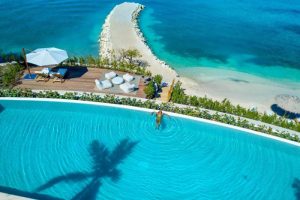
Planning a multi-destination trip is exciting, filled with the promise of diverse cultures and breathtaking landscapes. However, the complexity of such journeys necessitates careful consideration of potential risks. Securing comprehensive travel insurance becomes paramount, not just a precaution, but an essential element ensuring a worry-free adventure. This guide delves into the nuances of comprehensive travel insurance specifically designed for the unique challenges and opportunities presented by multi-destination travel.
From understanding the breadth of coverage for medical emergencies and trip cancellations to navigating the factors influencing insurance costs – such as trip duration, destinations, and planned activities – we’ll equip you with the knowledge to make informed decisions. We’ll also explore practical travel hacks, photography tips, and essential packing checklists, transforming your multi-destination journey into a truly unforgettable experience.
Defining “Comprehensive Travel Insurance for Multi-Destination Trips”
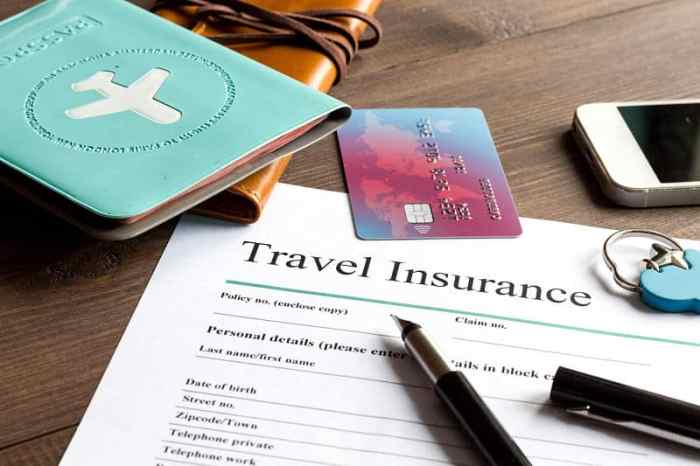
Planning a multi-destination trip is exciting, but unforeseen circumstances can quickly turn adventure into a costly ordeal. Comprehensive travel insurance provides a crucial safety net, protecting your investment and peace of mind throughout your journey. This type of insurance goes beyond basic coverage, offering a wider range of protection specifically designed for the complexities of traveling to multiple locations.Comprehensive travel insurance for multi-destination trips offers significantly broader coverage than standard travel insurance policies.
Standard policies often provide basic coverage for trip cancellations, medical emergencies, and lost luggage, but may have limitations or exclusions when dealing with travel across multiple countries or regions. A comprehensive policy, however, accounts for the increased risks associated with multi-destination itineraries.
Comparison of Comprehensive and Standard Travel Insurance
Standard travel insurance typically covers essential aspects like medical emergencies within a specified region and trip cancellations due to limited reasons. However, its coverage often lacks the breadth and depth necessary for multi-destination trips. For instance, a standard policy might not cover trip disruptions caused by connecting flight delays in a different country or medical evacuation from a remote location during a multi-leg journey.
In contrast, comprehensive travel insurance is designed to address these specific challenges. It provides more extensive coverage for medical emergencies, regardless of location, broader cancellation reasons, and more comprehensive baggage protection. Furthermore, it often includes features like travel delay compensation, emergency medical evacuation, and repatriation of remains, all crucial elements when traveling to multiple locations with potentially varied risks.
Key Features of Comprehensive Travel Insurance for Multi-Destination Journeys
A key benefit of comprehensive travel insurance for multi-destination trips is its ability to adapt to the changing circumstances of a complex itinerary. For example, if a traveler experiences a medical emergency in one destination, delaying their journey to another, a comprehensive policy will likely cover the additional expenses incurred, such as rebooking flights and accommodation. This adaptability is crucial because standard policies may not adequately cover unforeseen changes to a multi-destination itinerary.
Comprehensive policies also typically offer higher coverage limits for medical expenses, recognizing the potential for increased costs when seeking treatment abroad, particularly in countries with different healthcare systems. Furthermore, these policies often include features such as 24/7 emergency assistance, providing crucial support and guidance when navigating unexpected situations in unfamiliar locations. This access to real-time assistance is invaluable when traveling to multiple destinations and potentially facing language barriers or cultural differences.
The peace of mind offered by knowing assistance is readily available across multiple countries is a significant advantage.
Coverage Aspects of Multi-Destination Travel Insurance
Comprehensive multi-destination travel insurance offers a wide net of protection, extending beyond the limitations of single-destination policies. It recognizes the increased risks and complexities inherent in traveling to multiple locations, providing a more robust safety net for unforeseen circumstances. This coverage aims to alleviate financial burdens and offer peace of mind throughout your journey.
Multi-destination travel insurance typically covers a broad spectrum of situations that could disrupt your trip or cause unexpected expenses. These commonly include medical emergencies, trip cancellations or interruptions, lost or delayed luggage, and personal liability. The specific details of coverage will vary depending on the policy and insurer chosen, highlighting the importance of careful policy review before purchasing.
Types of Situations Covered
Understanding the scope of coverage is crucial. Medical emergencies, including hospitalization, emergency medical evacuation, and repatriation of remains, are usually a key component. Trip cancellations or interruptions due to unforeseen events such as severe weather, natural disasters, or family emergencies are also often covered, offering reimbursement for non-refundable expenses. Lost or delayed baggage protection can compensate for the loss or damage of your belongings, while personal liability coverage protects you against claims arising from accidental injury or damage to the property of others.
Comparison of Coverage Levels Across Providers
Coverage levels and policy details can vary significantly between insurance providers. The following table offers a simplified comparison, focusing on key aspects. Note that this is a hypothetical example and actual coverage may differ. Always refer to the specific policy wording for complete details.
| Insurance Provider | Medical Emergency Coverage | Trip Cancellation Coverage | Lost Luggage Coverage |
|---|---|---|---|
| Provider A | $1,000,000 | Up to 100% of prepaid, non-refundable expenses | $2,000 |
| Provider B | $500,000 | Up to 75% of prepaid, non-refundable expenses | $1,500 |
| Provider C | $2,000,000 | Up to 100% of prepaid, non-refundable expenses with certain exclusions | $2,500 |
Pre-existing Conditions Coverage
Pre-existing conditions coverage is a particularly important consideration for multi-destination travel insurance. Many standard policies have limitations or exclusions regarding pre-existing medical conditions. Some providers offer optional add-ons or specific policies designed to address these concerns. It’s vital to disclose any pre-existing conditions accurately during the application process to ensure your coverage is appropriate. Failing to do so could result in claims being denied.
For example, a traveler with a history of heart problems might find their coverage limited or excluded for related medical emergencies unless specific provisions are included in their policy. Understanding the limitations and obtaining adequate coverage is crucial for peace of mind.
Factors Influencing Insurance Costs for Multi-Destination Trips
The price of comprehensive travel insurance for multi-destination trips isn’t a fixed amount; it’s dynamically calculated based on several interacting factors. Understanding these factors allows travelers to make informed decisions and secure the most appropriate and cost-effective coverage. This section will detail the key elements that influence the final premium.Several interconnected factors determine the cost of your multi-destination travel insurance.
These factors are weighted differently by insurance providers, resulting in variations in pricing across different companies. It’s crucial to compare quotes from multiple insurers before purchasing a policy.
Trip Duration
Longer trips generally cost more to insure. The longer you’re away, the greater the potential for unforeseen events requiring medical attention, evacuation, or baggage loss. For example, a two-week trip to Europe will likely be cheaper to insure than a three-month backpacking adventure across Southeast Asia. The increased risk over a longer period directly translates to a higher premium.
Destinations
The destinations you visit significantly impact your insurance cost. Travel to regions with higher risks of political instability, natural disasters, or health concerns (e.g., areas with prevalent infectious diseases) will typically result in higher premiums. A trip encompassing multiple destinations in high-risk areas will be more expensive than a trip confined to lower-risk countries. For instance, a trip including destinations like Nepal (earthquake risk) and the Democratic Republic of Congo (political instability) will command a higher premium than a trip limited to Western Europe.
Activities
The types of activities you plan to undertake play a crucial role in determining your insurance cost. Engaging in high-risk activities such as extreme sports (e.g., bungee jumping, mountaineering), adventurous activities (e.g., scuba diving, white-water rafting) or driving a motorbike, will significantly increase your premium. Conversely, a trip primarily focused on sightseeing and relaxation will attract a lower premium.
Insurers assess the inherent risk associated with each activity and adjust the premium accordingly.
Age of Travelers
Age is another critical factor. Older travelers often face a higher risk of medical emergencies compared to younger travelers. Consequently, insurance providers may charge older individuals higher premiums to reflect this increased risk. This is particularly true for pre-existing medical conditions, where the probability of requiring medical assistance during the trip is higher.
Flowchart Illustrating Factors Influencing Insurance Premiums
Imagine a flowchart starting with a box labeled “Trip Details Input.” Arrows branch out to boxes representing “Trip Duration,” “Destinations,” “Activities,” and “Age of Travelers.” Each of these boxes has further arrows leading to a box labeled “Risk Assessment.” From the “Risk Assessment” box, an arrow points to a box labeled “Premium Calculation,” which finally leads to the “Final Premium” box.
The flowchart visually represents how each factor contributes to the final insurance premium calculation. The complexity of the risk assessment depends on the sophistication of the insurance company’s algorithms.
Examples of Trip Characteristics and Insurance Costs
Consider these examples:
- Trip A: 10-day trip to Paris and Rome; sightseeing only. Expected Premium: Low
- Trip B: 3-week backpacking trip through South America; including trekking in the Andes. Expected Premium: Medium-High
- Trip C: 1-month trip to multiple destinations in Africa including safaris and potentially high-risk areas. Expected Premium: High
These examples highlight how diverse trip characteristics directly affect the final insurance cost. The combination of trip length, destination risk, activity level, and traveler age all contribute to a personalized premium calculation.
Choosing the Right Multi-Destination Travel Insurance
Selecting the appropriate travel insurance for a multi-destination trip requires careful consideration of your itinerary, personal circumstances, and risk tolerance. Failing to do so could leave you vulnerable to significant financial losses in the event of unforeseen circumstances. This section provides a structured approach to finding the best policy for your needs.
Step-by-Step Guide to Selecting Multi-Destination Travel Insurance
Choosing the right travel insurance involves a methodical process. First, you should meticulously assess your trip details, including all destinations, planned activities, and duration of stay at each location. This comprehensive understanding forms the foundation for selecting suitable coverage. Next, carefully compare quotes from multiple insurers, paying close attention to the specific inclusions and exclusions of each policy. Finally, thoroughly review the policy documents before purchasing to ensure complete understanding and satisfaction.
Ignoring any of these steps can lead to inadequate coverage or unexpected costs.
Comparison of Insurance Providers
Different insurance providers offer varying levels of coverage, pricing structures, and customer service. For example, World Nomads is known for its comprehensive coverage and robust online platform, but may be pricier than some competitors. Allianz Global Assistance, on the other hand, often offers competitive pricing but may have a less intuitive claims process. Squaremouth acts as a comparison website, allowing users to browse options from numerous providers side-by-side.
The best provider for you will depend on your individual needs and priorities. It is advisable to compare at least three different providers to ensure you are getting the best value for your money.
Essential Questions to Ask When Comparing Travel Insurance Options
Before committing to a policy, it is crucial to ask specific questions to ensure the policy aligns with your travel plans and risk profile. This includes clarifying the geographical coverage, the extent of medical emergency coverage, including repatriation costs, and the specific details of baggage loss or delay coverage. Furthermore, understanding the claims process, including required documentation and response times, is critical.
Inquiring about pre-existing conditions coverage and the policy’s limitations is also vital. Finally, obtaining clarity on cancellation and interruption coverage, considering the potential impact of unforeseen circumstances, is equally important. A clear understanding of these aspects will empower you to make an informed decision.
Travel Hacks for Multi-Destination Trips
Planning a multi-destination trip can seem daunting, but with a little strategic thinking, you can significantly reduce costs and enhance your overall travel experience. These hacks focus on practical strategies for budget-conscious travelers aiming to maximize their time and enjoyment across multiple locations.
Utilizing Travel Apps and Websites for Efficient Planning and Booking
Effective use of technology is crucial for streamlined multi-destination trip planning. Numerous apps and websites offer comprehensive tools for flight and accommodation searches, comparing prices across various providers. For example, Google Flights allows users to track price fluctuations, explore different departure and arrival airports, and even set price alerts. Similarly, Kayak and Skyscanner offer similar functionalities, enabling you to compare options and find the best deals.
Booking platforms like Booking.com and Airbnb provide a wide range of accommodation choices, from budget-friendly hostels to luxurious hotels, allowing you to tailor your stay to your preferences and budget. By leveraging these tools, you can save significant time and money compared to traditional booking methods.
Practical Travel Hacks to Reduce Costs and Enhance the Experience
Several practical strategies can significantly impact your travel budget and enjoyment. Packing light, for instance, reduces baggage fees and makes navigating multiple destinations easier. Choosing less expensive transportation options, such as buses or trains instead of taxis, can save a considerable amount of money, especially over multiple journeys. Additionally, taking advantage of free activities, such as walking tours or exploring local parks, offers enriching experiences without adding to your expenses.
Eating at local eateries rather than tourist traps will also save money and offer a more authentic culinary experience. Finally, booking accommodations and transportation in advance, especially during peak season, often secures better rates and avoids last-minute price surges.
Maximizing Points and Rewards Programs During Multi-Destination Travel
Multi-destination trips present excellent opportunities to leverage rewards programs. Using a single credit card for all travel-related expenses can help you accumulate points faster, potentially earning free flights or hotel stays on future trips. Many airlines and hotel chains offer loyalty programs that reward frequent travelers with upgrades, priority boarding, and other perks. Strategically choosing airlines and hotels that participate in these programs can lead to substantial savings over time.
Furthermore, consider utilizing co-branded credit cards that offer bonus points on travel purchases. For example, if you frequently fly with a specific airline, their co-branded credit card might offer accelerated point accumulation on flight bookings and other travel-related spending. Careful planning and utilization of these programs can significantly reduce the overall cost of your multi-destination journey.
Travel Photography Tips for Multi-Destination Trips
Capturing stunning travel photographs during a multi-destination trip requires careful planning and execution. This section provides essential equipment recommendations, practical photography techniques, and visual composition guidance to help you create lasting memories of your adventures. Remember, the best camera is the one you have with you, so don’t let the pursuit of perfect equipment hinder your spontaneous captures.
Essential Photography Equipment for Multi-Destination Trips
Choosing the right equipment is crucial for successful travel photography. A lightweight and versatile kit is ideal for navigating various locations and situations. Overpacking can be cumbersome, so prioritize quality over quantity.
- Camera Body: A mirrorless camera or a lightweight DSLR offers a balance of image quality and portability. Consider cameras with interchangeable lenses for flexibility.
- Lenses: A versatile zoom lens (e.g., 24-70mm) covers a wide range of shooting scenarios. A wider angle lens (e.g., 16-35mm) is beneficial for landscapes and capturing the environment. A telephoto lens (e.g., 70-200mm) allows for capturing distant subjects.
- Tripod: A lightweight and sturdy tripod is essential for sharp images in low-light conditions and for long exposures. Consider a travel tripod that is compact and easy to transport.
- Extra Batteries and Memory Cards: Always carry extra batteries and memory cards to avoid missing opportunities due to technical limitations. The capacity of your memory cards should accommodate the volume of photos you anticipate taking.
- Cleaning Kit: A lens cleaning pen and microfiber cloth are essential for maintaining the cleanliness of your equipment. Dust and smudges can significantly impact image quality.
Techniques for Taking Stunning Travel Photographs
Mastering various photography techniques enhances the quality and impact of your travel photos. Experimentation and practice are key to developing your personal style.
Lighting: The “golden hour” (sunrise and sunset) offers soft, warm light ideal for portraits and landscapes. Utilize natural light to your advantage, avoiding harsh midday sun that creates strong shadows. Learn to use shadows creatively to add depth and drama to your compositions.
Composition: Employ the rule of thirds, placing key elements off-center for a more visually appealing image. Leading lines, such as roads or rivers, can draw the viewer’s eye into the scene. Experiment with different perspectives, shooting from low angles or high vantage points to create unique compositions.
Post-Processing: Basic editing can significantly enhance your photos. Adjust brightness, contrast, and saturation to optimize the image’s appearance. Avoid over-editing, which can make images look unnatural. Numerous free and paid software options are available.
Visual Guide to Composition Techniques
Imagine a grid overlaid on your viewfinder, dividing the scene into nine equal parts. This is the rule of thirds. Instead of placing your subject in the center, position it along the lines of the grid or at one of the intersections for a more balanced and engaging composition.
Example 1: Landscape Photography: Imagine a breathtaking mountain range. Instead of centering the mountains, position them along the bottom third of the grid, leaving the upper two-thirds for the sky. This creates a sense of scale and grandeur.
Example 2: Portrait Photography: Imagine a portrait of a local artisan. Instead of placing the person directly in the center, position them slightly off-center, perhaps along the left or right vertical line of the grid. This creates a more dynamic and engaging portrait.
Example 3: Leading Lines: Imagine a winding cobblestone street leading towards a historic building. Position the street as a leading line, guiding the viewer’s eye towards the building, creating a sense of depth and narrative.
Travel Tips for Multi-Destination Trips
Multi-destination trips offer incredible experiences, but careful planning is key to maximizing enjoyment and minimizing stress. This section provides essential tips for packing, staying safe and healthy, and managing the challenges of multiple time zones. By following these guidelines, you can ensure a smoother and more rewarding travel experience.
Packing Checklist for Multi-Destination Trips
A well-organized packing list is crucial for multi-destination trips. Overpacking is a common mistake; prioritizing versatile items that can be mixed and matched across various climates and activities will save space and effort. The following checklist categorizes essential items to help you pack efficiently.
- Clothing: Pack versatile clothing items in neutral colors that can be easily mixed and matched. Consider the climate of each destination and pack accordingly. Include comfortable walking shoes, a light jacket or sweater, and any specific clothing items needed for planned activities (e.g., hiking boots, swimwear).
- Toiletries: Pack travel-sized toiletries to save space and comply with airline regulations. Include essentials such as toothbrush, toothpaste, sunscreen, insect repellent, and any personal medications. Consider refillable containers to reduce waste.
- Documents: Keep all important documents organized in a secure, easily accessible place. This includes passport, visa (if required), flight/train tickets, hotel confirmations, travel insurance information, and copies of important documents stored separately.
- Electronics: Pack necessary electronics, such as your phone, camera, chargers, and adapters (for international travel). Consider a portable power bank for charging on the go.
- Medications: Carry all necessary prescription and over-the-counter medications in their original containers. Include a copy of your prescription and a list of any allergies.
- First-aid kit: Pack a small first-aid kit with bandages, antiseptic wipes, pain relievers, and any personal medical necessities.
- Money and valuables: Carry sufficient cash and credit/debit cards, keeping them secure and distributed to avoid loss. Consider a money belt or hidden pouch for valuable items.
Staying Safe and Healthy During Multi-Destination Travel
Prioritizing safety and health is paramount during multi-destination travel. Proactive measures can significantly reduce risks and enhance your overall experience.
- Research your destinations: Research local laws, customs, and potential safety concerns before traveling to each destination. Be aware of any health advisories or necessary vaccinations.
- Food and water safety: Be cautious about food and water safety. Stick to reputable restaurants and avoid consuming uncooked food or tap water in areas with questionable sanitation. Consider bottled water or water purification tablets.
- Personal safety: Be aware of your surroundings and take necessary precautions to avoid becoming a victim of crime. Avoid walking alone at night in unfamiliar areas and keep valuables secure.
- Health precautions: Consult your doctor about necessary vaccinations and medications. Pack a basic first-aid kit and familiarize yourself with local healthcare facilities.
Managing Jet Lag and Adapting to Different Time Zones
Jet lag can significantly impact your enjoyment of a multi-destination trip. Implementing strategies to mitigate its effects is crucial.
- Adjust your sleep schedule gradually: Before your trip, start adjusting your sleep schedule gradually to align with the time zone of your destination. For example, if traveling east, go to bed earlier each night leading up to your departure.
- Stay hydrated: Dehydration can worsen jet lag symptoms. Drink plenty of water throughout your journey and at your destination.
- Expose yourself to sunlight: Sunlight helps regulate your body’s natural sleep-wake cycle. Try to get some sunlight exposure upon arrival at your destination.
- Avoid excessive alcohol and caffeine: Alcohol and caffeine can disrupt your sleep patterns and exacerbate jet lag symptoms.
- Light exercise: Gentle exercise can help regulate your body clock and reduce jet lag symptoms. Avoid strenuous exercise, especially immediately after arrival.
Travel Visa Requirements for Multi-Destination Trips
Planning a multi-destination trip requires careful consideration of visa requirements for each country you intend to visit. Failure to secure the appropriate visas can lead to significant delays, denied entry, and ultimately, a ruined trip. Understanding the visa application process and the different types of visas available is crucial for a smooth and enjoyable journey.Navigating the complexities of visa applications can seem daunting, but with careful planning and organization, the process can be managed effectively.
This section will Artikel the necessary steps, different visa types, and provide examples to help you prepare for your multi-destination adventure.
Visa Application Process
The process of obtaining a travel visa typically involves completing an online application form, gathering supporting documents, paying the application fee, and attending a visa interview (in some cases). Required documents often include a valid passport, proof of travel itinerary, proof of sufficient funds, and a recent passport-sized photograph. Processing times vary considerably depending on the country and the type of visa applied for.
It’s highly recommended to apply well in advance of your planned travel dates, allowing ample time for processing and potential unforeseen delays. Always check the specific requirements for each country on the respective embassy or consulate website.
Types of Visas and Their Implications
Several visa types cater to different travel purposes. Tourist visas are typically granted for short-term stays for leisure or sightseeing. Business visas are for individuals traveling for business purposes, such as attending conferences or meetings. Student visas are for those enrolling in educational programs. Each visa type has specific conditions regarding the duration of stay, permitted activities, and eligibility criteria.
For multi-destination trips, you’ll need to obtain the appropriate visa for each country you plan to visit. Failing to do so could result in deportation or legal issues. For example, a tourist visa might not allow you to work, while a business visa might restrict the length of your stay.
Example Visa Requirements for Popular Multi-Destination Itineraries
The following table Artikels example visa requirements for popular multi-destination trips. Remember that these are examples and visa requirements can change, so always verify the most up-to-date information from official sources before you travel.
| Itinerary | Country 1 (Visa Type & Requirements) | Country 2 (Visa Type & Requirements) | Country 3 (Visa Type & Requirements) |
|---|---|---|---|
| Southeast Asia (Thailand, Vietnam, Cambodia) | Thailand: Tourist Visa (Passport, Application Form, Flight Itinerary, Proof of Funds) | Vietnam: E-Visa (Passport, Photo, Application Fee) | Cambodia: Visa on Arrival (Passport, Photo, Application Fee) |
| South America (Peru, Colombia, Brazil) | Peru: Tourist Visa (Passport, Application Form, Flight Itinerary, Proof of Funds) | Colombia: Tourist Visa (Passport, Application Form, Flight Itinerary, Proof of Funds) | Brazil: E-Visa (Passport, Photo, Application Fee) |
| Europe (France, Italy, Spain) | France: Schengen Visa (Passport, Application Form, Flight Itinerary, Proof of Funds, Travel Insurance) | Italy: Schengen Visa (Passport, Application Form, Flight Itinerary, Proof of Funds, Travel Insurance) | Spain: Schengen Visa (Passport, Application Form, Flight Itinerary, Proof of Funds, Travel Insurance) |
Urban Escapes and Vacation Packages
Pre-packaged vacation deals offer a convenient and often cost-effective way to explore multiple destinations, particularly for urban escapes. These packages bundle together flights, accommodation, and sometimes activities or tours, simplifying the planning process and potentially offering discounts compared to booking each element separately. However, they also come with limitations, sacrificing flexibility and potentially resulting in compromises on specific preferences.Pre-packaged deals streamline the planning process, reducing the time and effort spent researching and booking individual components of a trip.
This is particularly beneficial for travelers short on time or those who prefer a hassle-free experience. Furthermore, these packages often provide a cost advantage due to bulk purchasing and negotiated rates with hotels and airlines. The bundled nature can also offer peace of mind, ensuring all aspects of the trip are coordinated and reducing the risk of unexpected issues.
Conversely, the lack of customization can be a significant drawback. Travelers may find themselves limited in their choice of accommodation, activities, or even flight times, potentially compromising their preferences for specific hotels or experiences. The inability to adjust the itinerary to unforeseen circumstances or spontaneous opportunities can also be frustrating. Finally, the all-inclusive nature might lead to unnecessary expenses if certain components of the package aren’t fully utilized.
Benefits and Drawbacks of Pre-packaged Vacation Deals for Multi-Destination Trips
Pre-packaged vacation deals offer several advantages, including simplified planning, potential cost savings, and reduced stress. The convenience of having flights, accommodation, and sometimes activities pre-arranged is particularly appealing to busy travelers. However, a lack of flexibility and the potential for compromises on individual preferences are significant drawbacks. For example, a package might include a hotel further from the city center than desired, or offer activities that don’t align with personal interests.
The inability to easily adapt the itinerary to changing circumstances is another limitation. Ultimately, the decision of whether to book a pre-packaged deal hinges on the individual traveler’s priorities and preferences. If convenience and cost-effectiveness are paramount, a pre-packaged deal can be a great option. However, those prioritizing flexibility and personalization should consider booking individual components separately.
Types of Urban Escape Packages and their Target Audiences
Urban escape packages cater to diverse traveler profiles, offering a range of options based on interests and budget. For example, “luxury city breaks” typically include high-end accommodation, fine dining experiences, and exclusive access to events, targeting affluent travelers seeking a sophisticated experience. In contrast, “budget-friendly city tours” focus on affordable accommodation and activities, appealing to budget-conscious travelers. “Adventure city breaks” incorporate activities like hiking, biking, or kayaking, attracting active travelers.
Finally, “cultural city immersion” packages prioritize exploring local culture, history, and cuisine, appealing to travelers interested in experiencing the authentic side of a city. The features of each package type reflect the target audience’s preferences and priorities.
Customizing Pre-packaged Vacation Packages
While pre-packaged vacation deals offer convenience, they can often be tailored to better suit individual needs and preferences. Many providers offer options to upgrade accommodation, add activities or tours, or adjust the length of stay. Direct communication with the travel agency or online platform is crucial. For instance, a traveler might request a room with a specific view, or add a cooking class to a culinary-themed package.
Furthermore, some packages allow for the selection of different flight options, enabling travelers to choose more convenient times or airlines. The extent of customization varies depending on the provider and the specific package, but many offer a degree of flexibility beyond the standard offering. Thorough research and clear communication are key to maximizing the potential for personalization.
Venture Capital in the Travel Industry
Venture capital (VC) is playing an increasingly significant role in shaping the future of the travel industry, fueling innovation and disrupting traditional business models. The influx of investment is transforming how we plan, book, and experience travel, leading to more personalized, efficient, and sustainable options for consumers.The travel industry, traditionally fragmented and reliant on established players, is ripe for disruption.
VC funding is accelerating this process, fostering the development of technology-driven solutions that address unmet needs and improve the overall travel experience. This investment is not just about creating new apps; it’s about building entire ecosystems that redefine how we interact with the travel world.
Emerging Trends Attracting Venture Capital Investment
Several key trends within the travel sector are currently attracting significant venture capital investment. These trends reflect evolving consumer preferences and technological advancements.The surge in investment highlights the industry’s potential for growth and the belief that innovative solutions can capture significant market share. These investments are not only focused on consumer-facing applications but also on supporting technologies that improve operational efficiency for travel businesses.
Examples of Successful Travel Startups
Several travel startups have demonstrated the transformative power of VC funding by achieving substantial growth and market recognition. These companies often leverage technology to improve aspects of the travel experience, from booking and planning to in-destination services.For example, Airbnb, a platform connecting travelers with unique accommodations, secured substantial VC funding early in its development and has become a global household name.
Similarly, companies focusing on sustainable travel, personalized itineraries, and AI-powered travel planning tools are attracting significant investor interest. These successes highlight the potential for significant returns in the travel technology sector and the willingness of VCs to support innovative ideas that disrupt the traditional travel landscape. The continued success of these and other companies will undoubtedly inspire further investment in the sector.
Embarking on a multi-destination trip requires meticulous planning, and securing the right travel insurance is a cornerstone of a successful journey. By understanding the intricacies of comprehensive coverage, comparing providers, and utilizing the practical tips Artikeld in this guide, you can confidently navigate the complexities of multi-destination travel, minimizing risks and maximizing the enjoyment of your well-deserved adventure. Remember, a well-chosen insurance policy provides peace of mind, allowing you to fully immerse yourself in the wonders of your global exploration.
Clarifying Questions
What activities are typically covered under comprehensive multi-destination travel insurance?
Most comprehensive policies cover a wide range of activities, but extreme sports or high-risk activities may require additional coverage or may be excluded. Always check the policy details for specifics.
Can I claim for lost or stolen items during a multi-destination trip?
Yes, many policies cover loss or theft of personal belongings, but you’ll usually need to provide proof of ownership and police reports. Coverage limits and deductibles vary.
How do I file a claim if an incident occurs during my multi-destination trip?
The claims process typically involves contacting your insurance provider immediately after the incident, providing necessary documentation (medical reports, police reports, etc.), and following their specific claim procedure. Details are Artikeld in your policy document.
What happens if I need to cancel my trip due to unforeseen circumstances?
Comprehensive policies often cover trip cancellations due to unforeseen circumstances, such as illness, severe weather, or family emergencies. However, specific conditions and documentation requirements apply; review your policy carefully.