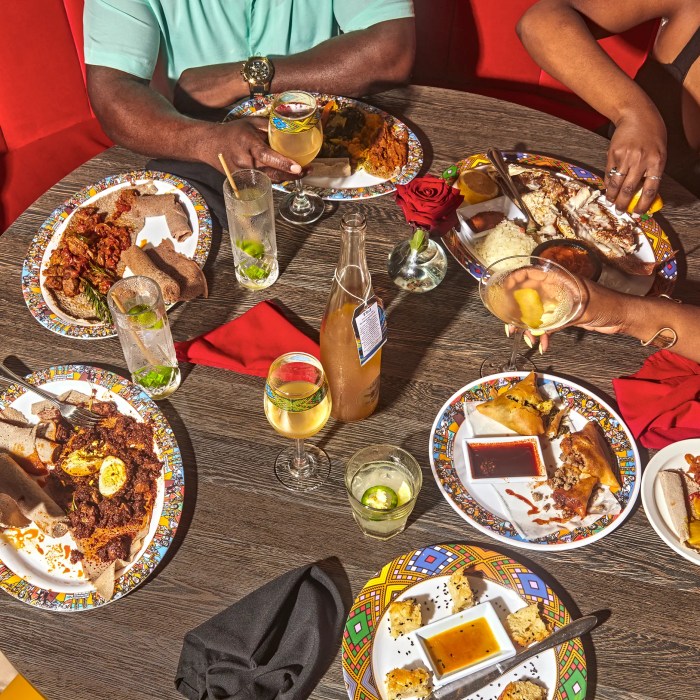
In 2024, the allure of food-focused city breaks is stronger than ever. Savvy travelers are increasingly seeking immersive culinary experiences, moving beyond simple sightseeing to explore the vibrant tapestry of global gastronomy. This guide unveils the top urban escapes designed for the discerning foodie, promising unforgettable adventures that tantalize the taste buds and enrich the soul.
From Michelin-starred restaurants to hidden street food gems, we’ve curated a selection of cities renowned for their unique culinary landscapes. Each destination offers a diverse range of experiences, from interactive cooking classes and guided food tours to exploring bustling local markets and uncovering hidden culinary treasures. Prepare to embark on a delectable journey, blending culinary exploration with cultural immersion.
Top Urban Escape Destinations for Foodies in 2024
Forget the usual beach getaway; 2024 is shaping up to be the year of the culinary city break. The rise of food tourism is undeniable, with travelers increasingly prioritizing unique gastronomic experiences over traditional sightseeing. Foodies are trading postcards for perfectly plated dishes, and exploring global cuisines is becoming the ultimate adventure. This article will highlight the top urban destinations offering unparalleled culinary experiences for the discerning foodie traveler in 2024.The following cities represent a diverse range of culinary cultures, offering a blend of established culinary scenes and exciting new trends.
Each destination boasts a unique character, from Michelin-starred restaurants to vibrant street food markets, promising an unforgettable adventure for any food enthusiast. We’ve carefully selected these locations based on factors such as culinary innovation, accessibility, and overall foodie-friendly atmosphere.
Top Culinary Cities: A Diverse Selection
These cities represent a carefully curated selection, chosen for their vibrant culinary scenes and commitment to innovation. Each destination offers a unique and unforgettable experience for the food-focused traveler. The criteria for selection included a diverse range of culinary offerings, accessibility for tourists, and a demonstrable commitment to food culture and quality.
San Sebastián, Spain: A Pintxos Paradise
San Sebastián, nestled on the Basque coast, is renowned for its “pintxos” – delectable tapas-style snacks. The city boasts a remarkable concentration of Michelin-starred restaurants alongside numerous traditional bars, each offering a unique and creative take on Basque cuisine. Imagine strolling through the Old Town, hopping from bar to bar, sampling an array of flavorful pintxos paired with local Txakoli wine – a truly immersive and unforgettable culinary journey.
The city’s dedication to fresh, locally-sourced ingredients and innovative culinary techniques makes it a must-visit for any serious foodie.
Lyon, France: The Culinary Capital of France
Lyon’s reputation as the gastronomic capital of France is well-deserved. This city is steeped in culinary history, with a rich tradition of “bouchons,” traditional Lyonnaise restaurants serving hearty and flavorful dishes. Beyond the classic bouchons, Lyon boasts a vibrant modern culinary scene, with innovative chefs pushing the boundaries of French gastronomy. A culinary exploration of Lyon might include indulging in a classic Lyonnaise salad, savoring quenelles (fish dumplings in a creamy sauce), and experiencing the city’s renowned chocolate scene.
Tokyo, Japan: A Fusion of Tradition and Modernity
Tokyo is a culinary powerhouse, offering an unparalleled range of dining experiences. From Michelin-starred sushi restaurants to bustling ramen shops and vibrant street food markets, Tokyo caters to every culinary preference. The city’s dedication to quality ingredients and meticulous preparation is evident in every dish, making it a paradise for food lovers. Imagine experiencing the precision of a kaiseki meal, the vibrant energy of a Tsukiji fish market visit, or the simple yet profound flavors of a bowl of ramen.
Top 5 Foodie Cities
Choosing the top foodie cities requires a nuanced approach, considering factors beyond sheer number of restaurants. A truly exceptional culinary destination offers a diverse range of experiences, catering to various tastes and budgets, and reflecting the city’s unique cultural identity. This selection balances global recognition with a commitment to showcasing diverse culinary traditions and innovative gastronomic approaches.This section details the selection criteria and justification for choosing five globally renowned cities that exemplify exceptional culinary experiences.
The criteria considered encompass Michelin-starred establishments, the vibrancy of street food scenes, and the presence of unique and memorable culinary experiences beyond typical dining.
Selection Criteria and Justification
The selection of these five cities is based on a multifaceted assessment of their culinary offerings. We considered the density and diversity of Michelin-starred restaurants, the richness and variety of street food options, the availability of unique culinary experiences (e.g., cooking classes, food tours, specialized markets), and the overall cultural significance of food within the city’s identity. The cities chosen represent a global spectrum of culinary traditions and demonstrate a commitment to both culinary innovation and the preservation of traditional techniques.
Top 5 Foodie Cities: Detailed Descriptions
- Tokyo, Japan: Tokyo consistently ranks among the world’s top culinary destinations, boasting an unparalleled density of Michelin-starred restaurants alongside an incredibly vibrant street food scene. From traditional sushi and ramen to cutting-edge molecular gastronomy, Tokyo offers a spectrum of experiences that caters to every palate and budget. Its meticulous attention to detail and the constant evolution of its culinary landscape solidify its position as a foodie paradise.
The city’s many Tsukiji-style fish markets, offering fresh seafood, contribute significantly to its culinary appeal.
- Lyon, France: Lyon’s reputation as a gastronomic capital is deeply rooted in its history and culinary traditions. The city’s “bouchons,” traditional Lyonnaise restaurants, offer a taste of classic French cuisine, while its Michelin-starred establishments showcase the pinnacle of French gastronomy. Lyon’s emphasis on regional ingredients and its dedication to preserving traditional cooking techniques make it a must-visit for any serious foodie.
The city’s vibrant markets, such as Les Halles Paul Bocuse, provide a window into the region’s rich agricultural heritage.
- Mexico City, Mexico: Mexico City’s culinary scene is a vibrant tapestry of indigenous traditions and modern innovations. From the humble tacos al pastor found on street corners to the sophisticated tasting menus of award-winning restaurants, Mexico City offers an unparalleled range of flavors and experiences. Its rich history and diverse cultural influences are reflected in its cuisine, creating a unique and unforgettable culinary journey.
The city’s extensive use of locally sourced ingredients and its dedication to preserving traditional cooking methods highlight its culinary significance.
- San Sebastián, Spain: Nestled in the Basque Country, San Sebastián is renowned for its “pintxos,” small, flavorful snacks served in bars throughout the city. This unique culinary culture, coupled with a high concentration of Michelin-starred restaurants, creates an incredibly dynamic and exciting foodie scene. The region’s commitment to high-quality ingredients and innovative cooking techniques, combined with the convivial atmosphere of its pintxos bars, make it a truly special culinary destination.
The annual San Sebastián Gastronomika festival further solidifies the city’s global culinary reputation.
- New York City, USA: New York City’s culinary landscape is as diverse and dynamic as the city itself. From its world-renowned Michelin-starred restaurants to its eclectic street food scene, New York offers an unparalleled range of culinary experiences. Its diverse population and its position as a global hub for food and culture have fostered an incredibly vibrant and innovative culinary scene, making it a melting pot of flavors and styles.
The city’s diverse neighborhoods, each with its own unique culinary traditions, further enrich its culinary offerings.
City Spotlights
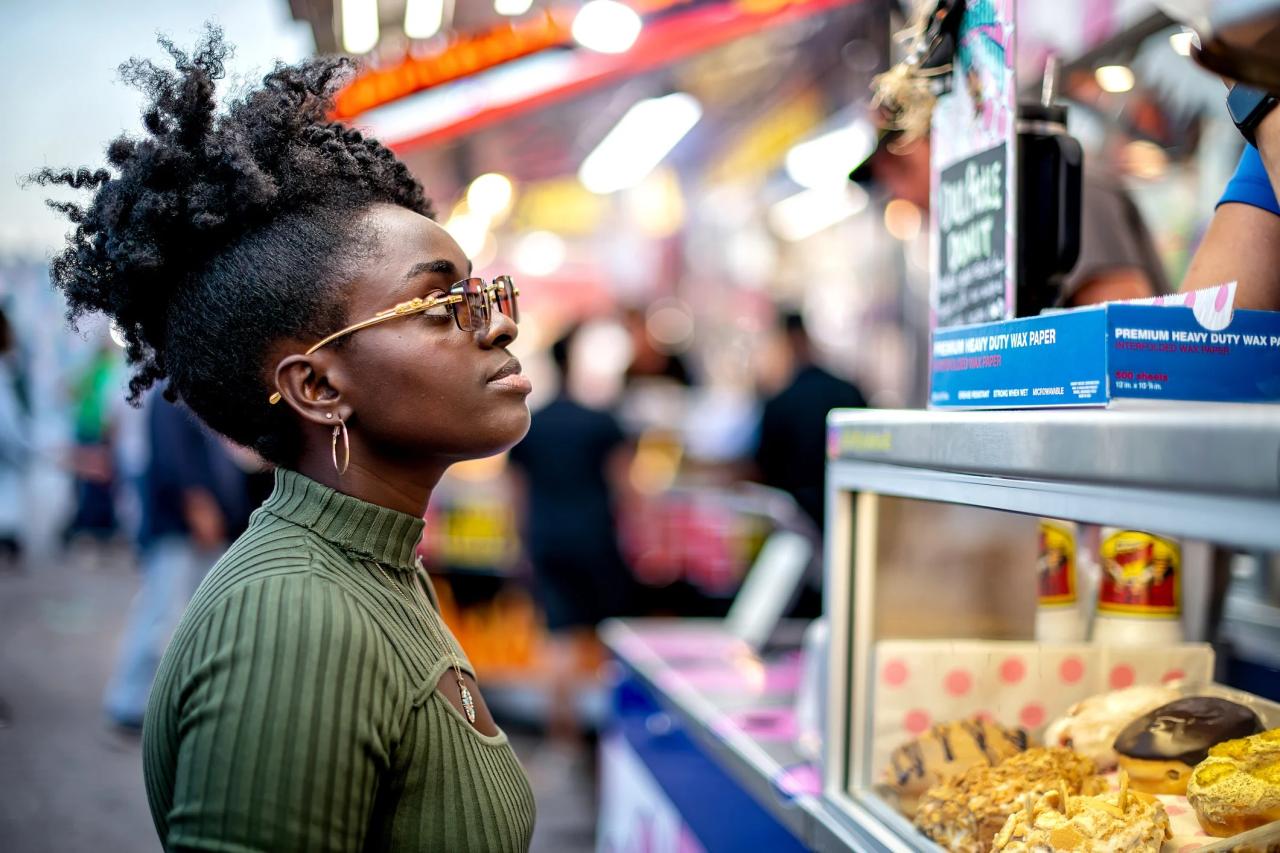
This section delves into the unique culinary experiences awaiting you in our top five foodie cities. We’ve curated a selection of must-try restaurants, food tours, and cooking classes to help you craft an unforgettable gastronomic adventure. Each experience offers a unique window into the city’s culinary soul, from traditional dishes to innovative modern interpretations.
Culinary Experiences in Top Foodie Cities
Below is a table detailing specific culinary experiences in each of our top five cities. The experiences range from casual street food explorations to upscale dining adventures, reflecting the diverse culinary landscapes of each location. Remember to check for availability and book in advance, especially during peak season.
| City | Experience | Description | Price Range |
|---|---|---|---|
| San Sebastián, Spain | Pintxos Crawl | Embark on a self-guided tour of San Sebastián’s iconic pintxos bars, sampling a variety of these Basque tapas. Imagine the vibrant atmosphere, the clinking of glasses, and the explosion of flavors – from succulent seafood to rich, earthy mushrooms. Each pintxo is a tiny masterpiece, a testament to Basque culinary artistry. | €20-€50 per person |
| San Sebastián, Spain | Arzak Restaurant | Experience Michelin-starred dining at Arzak, a temple of modern Basque cuisine. Picture exquisitely plated dishes, a symphony of textures and tastes, and innovative pairings that redefine culinary boundaries. This is a truly unforgettable sensory experience, a celebration of Basque ingredients and culinary innovation. | €200+ per person |
| San Sebastián, Spain | Cooking Class at Basque Culinary Center | Learn the art of Basque cooking at the prestigious Basque Culinary Center. Imagine yourself immersed in a hands-on class, mastering techniques passed down through generations. You’ll learn to prepare classic Basque dishes, using fresh, local ingredients. This is a fantastic opportunity to delve deeper into the culinary heart of the region. | €150-€250 per person |
| Lyon, France | Bouchon Experience | Explore Lyon’s traditional bouchons, charming, family-run restaurants serving classic Lyonnaise cuisine. Picture yourself savoring hearty dishes like quenelles (fish dumplings in a creamy sauce), salade lyonnaise, and pralines roses (pink candy). The warm, rustic atmosphere and the authentic flavors will transport you to the heart of Lyonnaise culinary tradition. | €30-€60 per person |
| Lyon, France | Les Halles de Lyon Paul Bocuse | Immerse yourself in the vibrant atmosphere of Les Halles Paul Bocuse, one of Europe’s largest indoor food markets. Imagine the sights, sounds, and smells of fresh produce, meats, cheeses, and baked goods. This is a feast for the senses, a chance to sample regional specialties and interact with local producers. | Varies depending on purchases |
| Lyon, France | Cooking Class focusing on Lyonnaise specialties | Learn the secrets of Lyonnaise cuisine with a hands-on cooking class. Imagine mastering the art of making quenelles, or perfecting the classic salade lyonnaise. This is a chance to not only learn new culinary skills but also to understand the cultural significance of Lyonnaise food. | €80-€150 per person |
| Tokyo, Japan | Tsukiji Outer Market Exploration | Explore the bustling Tsukiji Outer Market, a vibrant hub of culinary activity. Imagine the sights and smells of fresh seafood, colorful produce, and an array of street food stalls. This is a sensory overload in the best possible way, a chance to sample some of Tokyo’s most delicious and diverse street food. | ¥2000-¥5000 per person |
| Tokyo, Japan | Sushi Making Class | Learn the art of sushi making from a master chef. Imagine carefully crafting your own nigiri and maki rolls, using the freshest ingredients. This is a unique and rewarding experience, a chance to connect with Japanese culinary tradition on a deeper level. | ¥8000-¥15000 per person |
| Tokyo, Japan | Kaiseki Dinner | Indulge in a traditional Kaiseki dinner, a multi-course culinary journey showcasing seasonal ingredients and artistic presentation. Imagine each dish as a work of art, a testament to Japanese culinary aesthetics. This is a truly unforgettable dining experience, a celebration of Japanese culinary artistry and tradition. | ¥20000+ per person |
| New York City, USA | Chelsea Market Food Tour | Explore the diverse culinary offerings of Chelsea Market, a vibrant food hall with vendors from around the world. Imagine sampling everything from artisanal cheeses and fresh pasta to gourmet tacos and delicious baked goods. This is a fantastic opportunity to experience the city’s culinary diversity in one convenient location. | $50- $100 per person |
| New York City, USA | Fine Dining in Greenwich Village | Enjoy a fine dining experience in the heart of Greenwich Village. Imagine indulging in upscale American cuisine with a focus on seasonal ingredients and innovative techniques. This is a chance to experience the best of New York’s culinary scene in an elegant and sophisticated setting. | $150+ per person |
| New York City, USA | Food Cart Adventure | Explore the city’s diverse street food scene by sampling various food carts and trucks. Imagine the excitement of discovering hidden culinary gems and experiencing the energy of New York City. This is a fun and affordable way to experience the city’s diverse culinary landscape. | $20- $50 per person |
| Chiang Mai, Thailand | Cooking Class focusing on Northern Thai Cuisine | Immerse yourself in the vibrant flavors of Northern Thai cuisine with a hands-on cooking class. Imagine learning to prepare classic dishes like Khao Soi (coconut curry noodle soup) and Sai Oua (Northern Thai sausage). This is a chance to not only learn new culinary skills but also to understand the rich culinary heritage of the region. | THB 1000-2000 per person |
| Chiang Mai, Thailand | Night Bazaar Food Tour | Explore the vibrant culinary offerings of Chiang Mai’s Night Bazaar. Imagine the sights, sounds, and smells of a bustling night market, overflowing with delicious street food options. This is a sensory adventure, a chance to sample a wide variety of dishes and experience the local culture. | THB 500-1500 per person |
| Chiang Mai, Thailand | Fine Dining Experience at a Boutique Restaurant | Indulge in a fine dining experience at one of Chiang Mai’s many boutique restaurants, featuring elevated Northern Thai cuisine and creative presentations. Imagine savoring expertly prepared dishes, using fresh, locally sourced ingredients. This is a chance to experience the sophistication of Northern Thai cuisine in an elegant setting. | THB 1500+ per person |
Beyond the Plate
A truly enriching foodie experience extends far beyond the deliciousness on your plate. It’s about immersing yourself in the culture that nurtured those flavors, understanding the stories behind the ingredients and the traditions that shape the culinary landscape. Exploring local markets, visiting historical sites, and engaging with the art scene allows for a deeper appreciation of the food itself, transforming a simple meal into a memorable cultural adventure.
This section delves into non-culinary activities in each of our top five foodie cities, demonstrating how these experiences enhance and complement the culinary journey.
Cultural Immersion in San Sebastian, Spain
San Sebastian, renowned for its Michelin-starred restaurants and pintxos (Basque tapas), offers a wealth of cultural experiences that intertwine beautifully with its gastronomic delights. Exploring the city’s historic Old Town, with its narrow cobblestone streets and charming architecture, provides a glimpse into the rich history that has shaped its culinary traditions. A visit to the bustling La Bretxa Market, a vibrant hub of local produce and seafood, offers a sensory feast before even reaching a restaurant.
The market’s energy and the interactions with vendors provide context to the ingredients used in the city’s celebrated cuisine. The nearby Monte Urgull, offering panoramic views of the city and coastline, offers a moment of respite and reflection, allowing one to appreciate the beautiful setting that complements the gastronomic delights.
- Day 1: Pintxos crawl through the Old Town, followed by a stroll along La Concha beach and a visit to Monte Urgull for sunset views.
- Day 2: Morning visit to La Bretxa Market, followed by a Michelin-starred lunch and an afternoon exploring the Parte Vieja (Old Town).
- Day 3: Cooking class focusing on Basque cuisine, followed by a final pintxos experience and a leisurely walk along the Urumea River.
Cultural Immersion in Lyon, France
Lyon, the gastronomic capital of France, boasts a rich history and culture that seamlessly complements its culinary scene. A visit to Vieux Lyon, the city’s historic old town, a UNESCO World Heritage site, reveals a fascinating tapestry of medieval architecture and hidden courtyards. Exploring the traboules, secret passageways used during the silk-weaving era, offers a unique and immersive experience.
The Musée des Beaux-Arts, showcasing a diverse collection of art from various periods, provides a contrasting yet equally enriching cultural experience, offering a different perspective on the city’s character. The museums’ refined atmosphere contrasts beautifully with the lively culinary scenes, providing a balance to the trip.
- Day 1: Explore Vieux Lyon, including the traboules, followed by a traditional Lyonnaise dinner in a bouchon (traditional Lyonnaise bistro).
- Day 2: Visit the Musée des Beaux-Arts, followed by a market tour and a cooking class focusing on Lyonnaise cuisine.
- Day 3: Day trip to Beaujolais wine region, enjoying wine tasting and a gourmet lunch amidst the vineyards, followed by a final dinner in Lyon.
Cultural Immersion in Tokyo, Japan
Tokyo, a city of vibrant contrasts, offers a myriad of cultural experiences that enhance its already diverse culinary landscape. Exploring the serene Meiji Jingu Shrine, a peaceful oasis dedicated to Emperor Meiji and Empress Shoken, provides a tranquil escape from the bustling city. The shrine’s serene atmosphere offers a stark contrast to the vibrant energy of Tokyo’s culinary scene, providing a moment of calm amidst the excitement.
A visit to the Tsukiji Outer Market, even after the inner wholesale market’s relocation, remains a vibrant hub of culinary activity, showcasing the freshest seafood and other local produce. The market’s atmosphere and the sheer variety of ingredients offer a glimpse into the foundation of Tokyo’s gastronomy.
- Day 1: Explore the Tsukiji Outer Market, followed by a sushi-making class and an evening exploring Shinjuku’s vibrant nightlife.
- Day 2: Visit the Meiji Jingu Shrine, followed by a traditional tea ceremony and a multi-course Kaiseki dinner.
- Day 3: Day trip to Hakone, enjoying views of Mount Fuji and exploring local crafts, followed by a final dinner in Tokyo.
Cultural Immersion in Bangkok, Thailand
Bangkok, a city of shimmering temples and bustling street markets, offers a unique blend of cultural and culinary experiences. Visiting the Grand Palace and Wat Arun (Temple of Dawn), two iconic landmarks, provides a glimpse into Thailand’s rich history and religious traditions. The stunning architecture and intricate details of these temples offer a visually captivating experience, contrasting with the vibrant flavors of Thai cuisine.
Exploring the Chatuchak Weekend Market, one of the world’s largest, offers a sensory overload of sights, sounds, and smells, providing a deeper understanding of local life and the diverse ingredients used in Thai cooking. The market’s vibrant energy provides a palpable sense of local life and a glimpse into the origins of many of the ingredients used in Thai cuisine.
- Day 1: Explore the Grand Palace and Wat Arun, followed by a traditional Thai cooking class and a dinner at a rooftop restaurant with city views.
- Day 2: Visit the Chatuchak Weekend Market (if your trip coincides with a weekend), followed by a boat trip along the Chao Phraya River and a dinner showcasing authentic street food.
- Day 3: Explore a local neighborhood market, followed by a visit to a temple and a final dinner at a restaurant specializing in regional Thai cuisine.
Cultural Immersion in Oaxaca, Mexico
Oaxaca, a city steeped in history and tradition, offers a captivating blend of culture and cuisine. A visit to Monte Albán, an ancient Zapotec city, provides a fascinating glimpse into the region’s pre-Hispanic past. The ruins’ impressive scale and breathtaking views offer a profound sense of history and connection to the land, providing a deeper understanding of the origins of Oaxacan cuisine and its unique ingredients.
Exploring the Mercado Benito Juárez, a vibrant market brimming with local produce, crafts, and mezcal, immerses you in the heart of Oaxacan life. The market’s energy and diversity offer a tangible connection to the region’s culinary traditions and provide context for the ingredients found in Oaxacan dishes.
- Day 1: Explore the Mercado Benito Juárez, followed by a mezcal tasting and a traditional Oaxacan dinner.
- Day 2: Visit Monte Albán, followed by a cooking class focusing on Oaxacan mole and a dinner at a restaurant known for its regional specialties.
- Day 3: Explore the historic center of Oaxaca City, visiting churches and artisan workshops, followed by a final meal showcasing the diversity of Oaxacan cuisine.
Practical Travel Information
Planning a foodie city break requires more than just booking flights and hotels; it involves strategizing to maximize your culinary experiences while minimizing logistical headaches. Efficient navigation, strategic accommodation choices, and understanding local transportation systems are crucial for a truly enjoyable trip. This section provides practical advice for navigating each of our top five foodie cities.
Transportation in Top Foodie Cities
Efficient and cost-effective transportation is key to exploring a city’s culinary scene. Wasting time on inefficient commutes means less time savoring delicious food. Each city offers unique transportation options, and choosing the right one depends on your budget and personal preferences. For example, in a city with excellent public transport like Copenhagen, relying on the metro and bus system might be the most economical and convenient choice.
Conversely, in a more sprawling city like New York, a combination of the subway and ride-sharing services could be more practical.
Accommodation Near Culinary Hotspots
Staying near culinary hotspots significantly enhances your foodie experience. Imagine waking up and being a short walk from a renowned bakery or a Michelin-starred restaurant. However, accommodation near popular areas often comes at a premium. Researching neighborhoods known for their food scenes and comparing prices across various booking platforms can help you find the sweet spot between location and budget.
Consider using online maps to visually identify hotels and guesthouses near restaurants you’ve shortlisted. For instance, in a city like Tokyo, looking for accommodations in areas like Shinjuku or Shibuya might provide proximity to a wide range of restaurants.
Example: Navigating Transportation in San Sebastian, Spain
San Sebastian, renowned for its pintxos (Basque tapas), is relatively compact and easily walkable. However, using the efficient local bus system is advisable for exploring areas further from the city center. Taxis are readily available but can be more expensive. For exploring the surrounding Basque Country, consider renting a car, although parking in the city center can be challenging.
This blend of walking, public transport, and potentially car rental allows for flexible exploration of the region’s diverse culinary offerings.
Example: Finding Accommodation Near Culinary Hotspots in Lyon, France
Lyon, a city celebrated for its bouchons (traditional Lyonnaise restaurants), offers a variety of accommodation options. Staying in the Vieux Lyon (Old Town) places you within walking distance of numerous bouchons and historical sites. However, this area tends to be more expensive. Exploring neighborhoods like the Presqu’île, which is also centrally located, might offer more budget-friendly choices while still providing easy access to many culinary gems.
Online maps showing restaurant locations overlaid on accommodation options are invaluable for planning.
Travel Hacks for Foodie Travelers
Embarking on a culinary adventure requires more than just a passport and a reservation; it demands strategic planning and a few clever tricks to maximize your gastronomic experiences. This section provides essential travel hacks designed to elevate your foodie journey, from packing your prized possessions to unearthing hidden culinary gems.
Packing for Perishable Food Items
Proper packing is paramount for preserving the quality of any special food items you might be bringing along. For instance, if you’re bringing specialty cheeses or artisanal chocolates, consider using vacuum-sealed bags to minimize exposure to air and moisture. Hard cheeses, like cheddar, can often withstand room temperature for a short time, but softer cheeses like brie are best kept cool.
A small, insulated cooler bag with ice packs can be a lifesaver, especially for longer trips. Remember to check airline regulations regarding liquids and temperature-sensitive items before packing.
Strategies for Discovering Hidden Culinary Gems
Beyond Michelin-starred restaurants and trendy hotspots lie culinary treasures waiting to be discovered. One effective strategy is to engage with locals. Ask your hotel concierge, bartender, or even a friendly shopkeeper for recommendations on their favorite neighborhood eateries. Explore local markets; they often offer insights into regional specialties and hidden gems. Utilize food blogs and social media platforms focusing on local cuisine; many passionate food enthusiasts share their discoveries, leading you to authentic culinary experiences.
Finally, venturing away from the main tourist areas often reveals hidden culinary treasures frequented by locals.
Maximizing Food Experiences While Minimizing Waste
Mindful eating contributes to a more enjoyable and sustainable culinary journey.
- Plan your meals: Research restaurants and menus beforehand to avoid impulsive decisions that might lead to food waste.
- Order strategically: Share dishes with your travel companions to sample a wider variety of foods and avoid overordering.
- Embrace leftovers: If you have leftovers, pack them for a picnic lunch the next day or ask for a takeaway container.
- Choose sustainable restaurants: Support restaurants that prioritize locally sourced ingredients and sustainable practices.
- Avoid single-use plastics: Carry a reusable water bottle and consider bringing your own cutlery and containers to reduce waste.
Travel Insurance and Visa Information
Planning a foodie adventure requires careful consideration of both travel insurance and visa requirements. These aspects, often overlooked, can significantly impact your trip, especially given the potential for unexpected events and the varying immigration policies across different countries. Neglecting these preparations can lead to considerable financial and logistical setbacks.Protecting your investment and ensuring a smooth journey necessitates a thorough understanding of both travel insurance coverage and the specific visa requirements for each destination.
This section will Artikel the importance of comprehensive travel insurance and detail the visa processes for the top foodie cities featured earlier.
Travel Insurance Coverage
Travel insurance provides crucial protection against unforeseen circumstances that can disrupt your trip and incur significant costs. For foodie travelers, this is especially vital, as food-related incidents—such as food poisoning requiring medical attention—or flight cancellations can quickly escalate expenses. A comprehensive policy should cover medical emergencies, trip cancellations or interruptions, lost luggage, and even emergency medical evacuation. Consider policies offering specific coverage for pre-existing conditions, as these are often excluded from standard plans.
Choosing a policy with a reputable insurer offering 24/7 emergency assistance is also recommended. For example, a policy covering medical expenses up to $500,000, trip cancellation costs up to $5,000, and lost luggage up to $2,000 would provide a robust safety net for a significant portion of potential unforeseen events.
Visa Requirements for Foodie Cities
Visa requirements vary significantly depending on your nationality and the country you are visiting. It is crucial to check the specific requirements well in advance of your trip, as processing times can range from a few days to several weeks. The information below provides a general overview; you must always verify the most up-to-date information on the official websites of the respective embassies or consulates.
Failure to obtain the necessary visa can result in deportation and significant financial penalties.
Example Visa Requirements: (Illustrative – Always check official sources)
This section provides examples and should not be considered exhaustive or definitive. Always check the latest information with the relevant embassy or consulate.
| City | Visa Requirements (Example – Check Official Sources) | Application Process (Example – Check Official Sources) |
|---|---|---|
| City A | For citizens of Country X, a tourist visa is typically required. This may involve submitting a completed application form, passport photos, proof of accommodation and travel plans, and a financial statement demonstrating sufficient funds. | Applications are usually submitted online or through a visa application center. Processing times can vary, so early application is recommended. |
| City B | Citizens of Country Y may be eligible for visa-free entry for stays up to 90 days. However, this is subject to change and depends on the purpose of the visit. Always check the latest regulations. | For longer stays or specific purposes, a visa application may be required, following a similar process to City A. |
| City C | Citizens of Country Z may require a visa depending on the length of stay and purpose of visit. Check the specific requirements on the official website of the relevant embassy or consulate. | The application process usually involves an online application form, supporting documentation, and potentially an interview. |
Travel Photography Tips for Foodies
Capturing the essence of a culinary adventure goes beyond simply snapping a picture of your plate. Great food photography tells a story, evokes emotion, and inspires others to embark on their own gastronomic journeys. This section provides practical tips to elevate your food photography skills, transforming your travel memories into stunning visual narratives.
Mastering food photography involves a blend of technical skill and artistic vision. It’s about more than just a well-lit plate; it’s about capturing the atmosphere, the textures, and the overall experience. This section explores key techniques to achieve visually appealing and shareable images.
Utilizing Natural Light
Natural light is your best friend in food photography. Harsh direct sunlight can create harsh shadows and wash out colors, while soft, diffused light creates a more flattering and appealing image. The ideal time to shoot is during the golden hour (the hour after sunrise and the hour before sunset), when the light is warm and soft. Alternatively, shoot in the shade on a bright day, avoiding direct sunlight.
Experiment with different light sources and angles to find the most flattering illumination for your subject. Consider the direction of the light; side lighting often brings out texture and depth, while backlighting can create a dramatic silhouette.
Composition Techniques for Food Photography
The arrangement of your food within the frame significantly impacts the overall visual appeal. Consider the rule of thirds, a basic photography principle that suggests placing your subject off-center to create a more visually interesting composition. Play with negative space (empty space around the subject) to draw attention to your food. Think about leading lines, using elements in the scene to guide the viewer’s eye towards the main subject.
For example, a trail of crumbs leading to a pastry or a neatly arranged table setting can create visual interest and tell a story.
Editing Techniques for Enhanced Visual Appeal
Post-processing is crucial for enhancing your food photos. While it’s essential to capture a well-exposed and composed image in-camera, editing software can further refine your images. Adjusting brightness, contrast, and saturation can significantly improve the overall look and feel. Consider using tools to subtly sharpen details and reduce noise for a cleaner, more professional finish. Many free and paid apps and software (such as Adobe Lightroom or Snapseed) offer intuitive tools for enhancing your photos.
Remember to be subtle; the goal is to enhance, not to drastically alter, the image. Over-editing can make your photos look artificial and less appealing.
Budget-Friendly Travel Tips and Vacation Packages
Embarking on a culinary adventure shouldn’t break the bank. With careful planning and a little resourcefulness, you can experience the vibrant food scenes of top cities without exceeding your budget. This section offers practical strategies for creating an affordable yet fulfilling foodie getaway, exploring both independent travel and the benefits of pre-arranged packages.Exploring budget-friendly options doesn’t mean compromising on quality.
Many cities offer a delightful mix of high-end and affordable dining experiences, allowing you to sample local flavors without emptying your wallet. Similarly, accommodation choices range from budget-friendly hostels to moderately priced hotels, each offering a unique experience. By combining smart choices in accommodation, dining, and activities, you can create a truly memorable and cost-effective foodie trip.
Affordable Accommodation Options
Finding affordable accommodation is key to keeping your foodie trip budget-friendly. Consider staying in hostels, guesthouses, or Airbnb rentals, which often offer significantly lower prices than traditional hotels. Hostels provide a social atmosphere and opportunities to meet fellow travelers, while guesthouses offer a more intimate and local experience. Airbnb allows you to find unique and often more spacious accommodations, potentially even with kitchen facilities, which can help reduce dining costs.
For example, a hostel dorm bed in Southeast Asia might cost $10-$20 per night, while a private room in a guesthouse could range from $30-$60. An Airbnb apartment in a less central location could provide similar comfort at a comparable or slightly higher price, depending on location and amenities.
Budget-Friendly Dining Strategies
Savoring local cuisine without overspending requires a strategic approach. Explore local markets and street food stalls for authentic and incredibly affordable meals. Many cities boast vibrant street food scenes offering a diverse range of delicious and inexpensive options. Look for lunch specials and early bird discounts at restaurants, as these often provide significant savings. Consider cooking some of your own meals, especially if your accommodation has kitchen facilities.
This can significantly reduce your overall food costs, allowing you to allocate more of your budget to special dining experiences. For instance, a delicious street food meal in many Asian cities might cost only a few dollars, while a lunch special at a local restaurant could be significantly cheaper than dinner.
Cost-Effective Activities and Sightseeing
Experiencing a city’s culture doesn’t have to be expensive. Many cities offer free walking tours that provide insights into local history and culture. Take advantage of free activities like visiting parks, exploring neighborhoods on foot, and attending free events such as festivals or concerts. Utilize public transportation instead of taxis or ride-sharing services, which can quickly add up.
Planning your itinerary in advance can help you identify free or low-cost activities and optimize your time. For example, many European cities offer free walking tours, and utilizing public transportation can significantly reduce transportation costs compared to taxis.
Foodie Vacation Packages: Benefits and Considerations
Pre-arranged foodie vacation packages can offer several benefits, including convenience and potentially cost savings. These packages often bundle accommodation, guided food tours, and sometimes even cooking classes at a discounted price. However, carefully compare the price of a package with the cost of booking each element separately to ensure you’re actually getting a better deal. Read reviews carefully to understand the quality of the included experiences.
Consider the flexibility offered by the package; some packages might be less flexible in terms of itinerary adjustments than independent travel. For example, a well-researched foodie tour package might offer a curated itinerary including meals at highly-rated restaurants and guided experiences at a lower overall cost than booking each component individually. However, a less reputable package might not deliver on its promises.
Venture Capital in the Food Tourism Industry
Venture capital (VC) is playing an increasingly significant role in shaping the food tourism landscape, fueling innovation and accelerating the growth of businesses that cater to the ever-expanding desires of food-focused travelers. This influx of investment is not only boosting established players but also empowering startups to disrupt traditional models and create entirely new experiences for culinary adventurers.The impact of VC funding is multifaceted.
It provides the necessary capital for expansion, technological advancements, and marketing initiatives, ultimately leading to a more diverse and dynamic food tourism sector. This injection of funds allows companies to refine their offerings, improve customer experiences, and reach a wider audience, thereby contributing to the overall growth of the industry. Furthermore, the expertise and guidance that VC firms bring to the table often prove invaluable in navigating the complexities of scaling a business within a rapidly evolving market.
Examples of VC-Backed Food Tourism Companies
Several companies in the food tourism sector have successfully secured venture capital funding, demonstrating the growing interest from investors in this lucrative market. These investments highlight the potential for significant returns and the increasing recognition of food tourism as a major economic driver. While specific funding amounts are often kept confidential, the fact that these companies have attracted VC attention speaks volumes about the sector’s viability and growth potential.
For instance, companies focusing on curated food tours, restaurant reservation platforms with unique experiences, and innovative food delivery services in popular tourist destinations have all seen significant investment. Another area attracting VC interest is the development of technology-driven platforms that connect travelers with local food producers and artisans, fostering authentic and sustainable culinary experiences. These platforms often leverage data analytics and personalized recommendations to enhance the traveler’s experience, increasing their engagement and satisfaction.
Ultimately, the perfect foodie escape depends on individual preferences and culinary passions. Whether you crave the refined elegance of Michelin-starred dining or the vibrant energy of street food markets, 2024 promises an abundance of unforgettable culinary adventures. By thoughtfully planning your trip, incorporating both culinary exploration and cultural immersion, you can create a truly enriching and memorable experience.
So, pack your bags, sharpen your appetite, and get ready to embark on a delicious journey!
FAQ Summary
What’s the best time of year to visit these cities?
The ideal time varies by city and personal preference. Research each city’s climate and consider peak seasons versus shoulder seasons (spring and autumn) for potentially lower prices and fewer crowds.
How much should I budget for food?
Food budgets vary widely depending on dining choices. Expect a range from budget-friendly street food to high-end fine dining experiences. Planning your meals in advance can help manage expenses.
Are these cities safe for solo female travelers?
Safety varies by city. Research specific safety information for each destination and take standard precautions for solo travel, such as informing others of your itinerary and being aware of your surroundings.
What are some good resources for finding hidden culinary gems?
Local blogs, food critics’ reviews, and social media (Instagram, TikTok) are excellent resources. Engage with local food communities and ask for recommendations.