Urban landscapes offer a rich tapestry of architectural marvels, from ancient wonders to modern masterpieces. This exploration delves into the best travel photography destinations for capturing the unique beauty and intricate details of urban architecture, providing insights into techniques, planning, and essential considerations for a successful photographic journey.
We’ll cover key aspects, including ideal locations known for their architectural diversity, essential photography techniques to master, practical travel tips to streamline your experience, and crucial safety and insurance considerations. Ultimately, this guide aims to empower you to capture stunning images that truly reflect the essence of these urban architectural gems.
Top 10 Urban Architecture Photography Destinations

Urban architecture offers a rich tapestry of visual storytelling, from the grandeur of historical monuments to the sleek lines of modern skyscrapers. Capturing these architectural marvels through photography requires careful consideration of location, lighting, and composition. The following cities provide unparalleled opportunities for photographers to showcase the beauty and diversity of urban design.
Top 10 Cities for Urban Architecture Photography
The selection of these ten cities considers their diverse architectural styles, historical significance, and the sheer photographic opportunities they present. Each offers a unique visual experience, appealing to a range of photographic styles and preferences.
| City | Country | Architectural Style(s) | Photographic Highlights |
|---|---|---|---|
| Chicago | United States | Art Deco, Modern, Postmodern | The iconic Willis Tower, the stunning architecture along the Chicago River, and the city’s impressive skyline at sunset. The interplay of light and shadow on the city’s skyscrapers provides dramatic photographic opportunities. |
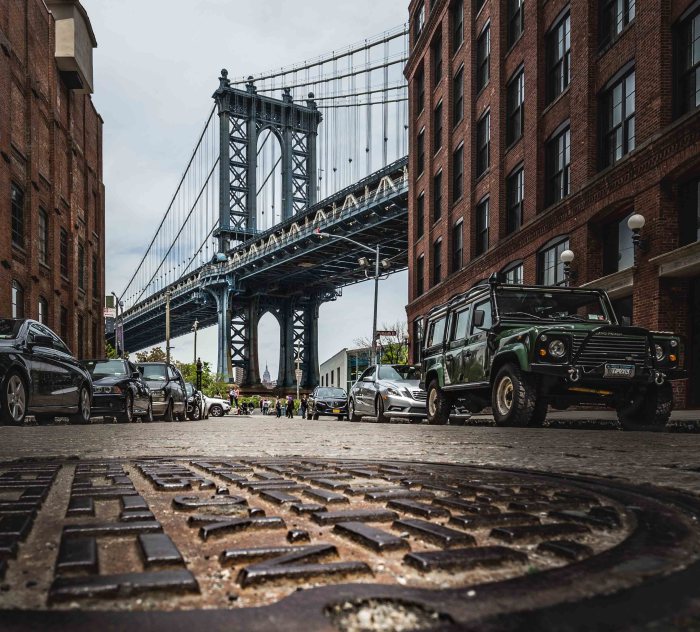
| New York City | United States | Art Deco, Beaux-Arts, Modern, Postmodern | The Empire State Building, the Chrysler Building, the Brooklyn Bridge, and the diverse architectural styles of various neighborhoods like Greenwich Village and SoHo. The scale and density of the city create a unique visual texture. |
| London | United Kingdom | Gothic, Victorian, Modern, Contemporary | Buckingham Palace, the Houses of Parliament, St. Paul’s Cathedral, and the Shard. The contrast between historical and modern architecture offers compelling photographic juxtapositions. |
| Paris | France | Haussmannian, Art Nouveau, Modern | The Eiffel Tower, the Louvre Museum, Sacré-Cœur Basilica, and the charming architecture of Montmartre. The city’s elegant streets and iconic landmarks provide classic and romantic photographic scenes. |
| Dubai | United Arab Emirates | Modern, Postmodern, Futuristic | The Burj Khalifa, the Palm Jumeirah, and the futuristic designs of many modern buildings. The city’s ambitious and innovative architecture provides striking visual contrasts. |
| Barcelona | Spain | Modernisme (Catalan Art Nouveau), Gothic | Sagrada Família, Park Güell, Casa Batlló, and the city’s unique blend of Gothic and Modernist architecture. Gaudi’s unique designs provide a wealth of photographic opportunities. |
| Tokyo | Japan | Modern, Postmodern, Traditional Japanese | The Tokyo Skytree, the Meiji Jingu Shrine, and the blend of traditional and modern architecture throughout the city. The juxtaposition of old and new creates visually interesting scenes. |
| Rome | Italy | Classical, Baroque, Renaissance | The Colosseum, the Roman Forum, the Pantheon, and the Trevi Fountain. The city’s rich history and classical architecture provide timeless photographic subjects. |
| Shanghai | China | Modern, Art Deco, Traditional Chinese | The Shanghai Tower, the Bund, and the blend of traditional Chinese architecture with modern skyscrapers. The dynamic skyline and the city’s rapid development create compelling photographic narratives. |
| Singapore | Singapore | Modern, Postmodern, Green Architecture | The Marina Bay Sands, the Gardens by the Bay, and the city’s emphasis on sustainable and innovative architectural design. The integration of nature into the urban landscape creates unique photographic compositions. |
Photographing Urban Architecture
Capturing the essence of urban architecture through photography requires a keen eye for detail and a solid understanding of photographic techniques. This section delves into the essential skills and strategies needed to produce compelling images of cityscapes and their built environments. We will explore composition, lighting, lens selection, and planning, equipping you to transform your urban explorations into stunning photographic achievements.
Compositional Techniques for Architectural Photography
Effective composition is paramount in architectural photography. By skillfully applying established principles, you can elevate your images from simple snapshots to powerful visual statements. The rule of thirds, leading lines, and symmetry are particularly valuable tools. The rule of thirds suggests placing key elements off-center, creating a more dynamic and visually engaging image. Leading lines, such as roads, walkways, or building facades, guide the viewer’s eye through the photograph, adding depth and narrative.
Symmetry, on the other hand, provides a sense of balance and order, often highlighting the deliberate design of a structure. Consider the interplay of these elements to create a balanced and aesthetically pleasing composition. For example, a photograph of a skyscraper could utilize the rule of thirds by positioning the building slightly off-center, while incorporating leading lines from a street converging towards it.
Lighting Considerations in Urban Architecture Photography
Lighting is arguably the most crucial aspect of architectural photography. The quality of light dramatically impacts the mood and impact of your photographs. The golden hour, the period shortly after sunrise or before sunset, offers warm, soft light that enhances textures and details. The blue hour, occurring just before sunrise or after sunset, provides a cooler, more dramatic atmosphere, ideal for conveying a sense of mystery or tranquility.
Understanding how light interacts with different architectural elements is key. For example, side lighting can highlight the texture of a building’s facade, while backlighting can create silhouettes and dramatic contrasts. Experiment with different times of day to discover the most visually appealing lighting conditions for your chosen subject.
Lens Selection and its Impact on Architectural Photography
The choice of lens significantly influences the perspective and impact of your architectural photographs. Wide-angle lenses (typically 16-35mm) are excellent for capturing the grandeur of expansive scenes, emphasizing the scale and context of buildings within their surroundings. They can also effectively minimize perspective distortion, a common challenge in architectural photography. Telephoto lenses (typically 70-200mm or longer), on the other hand, allow you to isolate specific details or architectural features, compressing perspective and creating a more intimate view.
They are ideal for capturing intricate details or emphasizing specific aspects of a building’s design. Choosing the appropriate lens depends entirely on your creative vision and the specific architectural elements you wish to highlight.
Planning an Urban Architecture Photography Shoot: A Step-by-Step Guide
Thorough planning is essential for a successful urban architecture photography shoot. Begin by scouting locations beforehand. Use online resources like Google Street View or architectural websites to identify potential locations and assess their accessibility and photographic potential. Consider factors such as lighting, surrounding environment, and potential obstructions. Next, determine the optimal time of day for shooting.
This depends on the desired lighting conditions, as discussed earlier. Golden hour or blue hour often yield the most visually appealing results. Finally, prepare your equipment. Ensure your camera, lenses, tripod, and any necessary filters are in good working order and packed securely. Consider carrying extra batteries and memory cards, especially for extended shoots.
A well-planned shoot ensures you maximize your time and capture the best possible images.
Travel Hacks for Urban Photography Trips
Urban photography trips offer incredible opportunities, but efficient planning is key to maximizing your time and capturing stunning shots. Careful preparation can transform a potentially stressful experience into a rewarding adventure, allowing you to fully immerse yourself in the urban landscape and its architectural wonders. This section Artikels practical strategies for streamlining your travel experience and enhancing your photographic output.Efficient packing, smart navigation, and effective equipment management are crucial for a successful urban photography trip.
These hacks will help you minimize stress and maximize your creative potential.
Efficient Packing Strategies for Urban Photographers
Packing light is paramount for navigating urban environments. Overpacking can lead to fatigue and hinder your mobility, impacting your ability to explore and capture spontaneous moments. Consider prioritizing versatile clothing items that can be mixed and matched, and select only essential photography gear. A smaller, lightweight backpack is ideal for carrying your equipment comfortably throughout the day. Remember to pack a portable charger to keep your devices powered throughout your shooting days.
For example, instead of bringing multiple lenses, consider one versatile zoom lens to cover a range of focal lengths. Packing cubes can help you organize your belongings efficiently, keeping everything neat and easily accessible.
Navigating Unfamiliar Cities Effectively
Navigating unfamiliar cities can be daunting, especially when you’re focused on capturing the perfect shot. Pre-download offline maps of your destination to avoid relying on unreliable data connections. Utilize public transportation whenever possible; it’s often a more efficient and cost-effective way to travel than taxis or ride-sharing services, and it also allows for observation of the city’s rhythm and architectural details from a unique perspective.
Familiarize yourself with the city’s layout and key landmarks before your trip. This proactive approach will save you valuable time and allow you to focus on your photography. For example, research popular photography spots and plan routes that connect multiple locations efficiently.
Managing Photography Equipment in Urban Environments
Protecting your valuable equipment is essential. Invest in a high-quality camera bag with ample padding and weather protection. Avoid carrying too much gear at once; consider carrying only essential lenses and accessories for a specific shooting session. Always be mindful of your surroundings and keep your equipment secure, especially in crowded areas. Regularly clean your lenses to prevent dust and smudges from affecting your image quality.
Having a cleaning kit readily accessible in your bag is highly recommended. Consider purchasing a camera strap that provides both comfort and security.
Essential Apps and Tools for Urban Photography
Several apps and tools can significantly enhance your urban photography experience. These digital aids can simplify navigation, photo editing, and overall trip management.
- Navigation Apps: Google Maps (offline maps), Citymapper (public transport schedules).
- Photo Editing Apps: Snapseed (powerful and versatile), Lightroom Mobile (professional-grade editing).
- Weather Apps: AccuWeather, The Weather Channel (essential for planning outdoor shoots).
- Trip Planning Apps: TripIt (organizes itineraries), Airbnb (accommodation booking).
- Camera Remote Control Apps: Apps that allow remote triggering of your camera for self-portraits or long exposures.
Efficiently Planning a Photography Itinerary
Balancing sightseeing with dedicated shooting time requires careful planning. Research potential locations beforehand, identifying key architectural elements and optimal shooting times (e.g., golden hour). Create a flexible itinerary that allows for both planned shots and spontaneous discoveries. Allocate specific time blocks for photography sessions, factoring in travel time between locations. Don’t try to cram too much into a single day; prioritize a few key locations rather than rushing through many.
For example, dedicate a morning to capturing the city’s skyline at sunrise and the afternoon to exploring a specific neighborhood known for its unique architectural style. Building buffer time into your itinerary can accommodate unexpected delays or discoveries.
Travel Insurance and Safety Considerations
Urban architecture photography often takes you to bustling, sometimes unpredictable, locations. Protecting yourself and your valuable equipment is paramount for a successful and enjoyable trip. This section emphasizes the importance of comprehensive travel insurance and Artikels essential safety precautions for urban photography adventures.Comprehensive travel insurance is a crucial investment for any urban photography trip. It offers financial protection against unforeseen circumstances that can significantly impact your trip and potentially cause substantial financial losses.
This includes not only medical emergencies and trip cancellations but, critically, coverage for lost, stolen, or damaged photographic equipment. The cost of replacing a high-end camera, lenses, and other accessories can be considerable, making insurance a wise precaution against such events.
Protecting Photographic Equipment
Protecting your gear from theft or damage is a primary concern in dense urban environments. Always be mindful of your surroundings. Avoid displaying expensive equipment ostentatiously. Consider using discreet camera bags and keeping your gear concealed when not in use. In crowded areas, utilize a camera strap secured around your body to prevent snatch-and-grab thefts.
When staying in hotels, secure your equipment in a hotel safe or utilize a locking backpack or case. Investing in a quality, anti-theft backpack is also a worthwhile investment. Remember that even in seemingly safe areas, vigilance is key. A moment’s lapse in attention can lead to irreparable loss.
Ensuring Personal Safety
Personal safety should always be a top priority. Before your trip, research the areas you’ll be visiting, paying attention to local safety advisories and potential risks. Share your itinerary with someone at home and regularly check in with them. Stick to well-lit and populated areas, especially at night. Be aware of your surroundings and avoid walking alone in secluded or poorly lit streets.
If you feel uneasy in a particular location, move to a more populated area. Trust your instincts; if something feels wrong, it probably is. Learning basic self-defense techniques can also provide an added layer of security.
Safety Checklist and Insurance Recommendations
Before embarking on your urban photography trip, review this checklist:
- Obtain comprehensive travel insurance with specific coverage for lost or damaged photographic equipment. Clearly specify the value of your equipment when purchasing the policy.
- Make copies of all important documents, including your passport, visa, insurance policy, and flight itinerary. Store these copies separately from the originals.
- Inform your bank and credit card companies of your travel plans to avoid any issues with card usage.
- Pack your equipment in secure, discreet bags or cases.
- Avoid displaying expensive equipment openly.
- Be aware of your surroundings and trust your instincts.
- Stick to well-lit and populated areas, especially at night.
- Share your itinerary with a trusted contact and check in regularly.
- Consider learning basic self-defense techniques.
- Research local laws and customs related to photography.
Remember, responsible preparation and vigilance are key to a safe and successful urban photography adventure. Prioritizing safety allows you to fully immerse yourself in the experience and capture stunning architectural images without unnecessary risks.
Urban Escapes and Vacation Packages
Urban photography escapes offer a unique blend of travel and creative exploration, catering specifically to the needs and interests of photography enthusiasts. These packages go beyond typical sightseeing tours, providing curated experiences designed to maximize photographic opportunities and enhance the learning experience. They often incorporate elements like guided shoots, expert workshops, and access to locations not typically open to the public.Many companies now specialize in crafting these specialized trips, recognizing the growing demand for immersive travel experiences tailored to specific hobbies.
These packages often differ significantly in terms of price, location, and the level of instruction offered. Understanding these differences is key to choosing the perfect fit for your photographic style and budget.
Types of Urban Photography Escape Packages
Urban photography escape packages vary considerably, offering diverse experiences tailored to different skill levels and interests. Some focus on specific architectural styles, like Art Deco in Miami or Bauhaus in Dessau, while others offer a broader exploration of urban landscapes. Packages often include guided tours led by professional photographers, providing insights into composition, lighting, and post-processing techniques. Workshops may cover advanced topics like using specialized equipment or mastering specific photographic styles.
Exclusive access to unique locations, such as rooftops offering panoramic city views or abandoned buildings with compelling textures and light, is a significant draw for many photographers.
Examples of Urban Photography Vacation Packages
Several examples illustrate the range of urban photography vacation packages available.
- A five-day workshop in New York City: This package could include daily guided walking tours focusing on different neighborhoods, workshops on street photography and architectural photography, and access to iconic locations like the Brooklyn Bridge and the Chrysler Building at golden hour. Post-processing sessions could be included, allowing participants to refine their images.
- A seven-day tour of Barcelona’s Gaudi architecture: This might involve private guided tours of Sagrada Familia and Park Güell, workshops on capturing the intricate details of Gaudi’s work, and opportunities to photograph the city from unique vantage points, potentially including rooftop access or early morning shoots to avoid crowds.
- A three-day intensive street photography weekend in Tokyo: This fast-paced option could focus on capturing the vibrant energy of Tokyo’s streets, with workshops on composition, light and shadow, and working with diverse subjects. It might also include visits to specific neighborhoods known for their unique architectural styles and street art.
Comparison of Urban Photography Vacation Packages
Comparing packages requires considering several factors. Price is a primary concern, with luxury packages offering high-end accommodations and personalized instruction commanding a premium. The level of instruction and the expertise of the guides are crucial for photographers seeking to improve their skills. The location and access to unique photographic opportunities significantly impact the overall experience. For example, a package offering access to restricted locations or private shoots will generally be more expensive but provide unparalleled photographic potential.
Packages with smaller group sizes offer more personalized attention from instructors. Conversely, larger group tours might be more affordable but offer less individual guidance. The itinerary’s pacing is another critical factor; some prefer a more relaxed pace, while others thrive in fast-paced, action-packed tours.
Travel Visa Requirements
Planning an international photography trip requires careful consideration of visa regulations. Obtaining the correct visa well in advance is crucial to avoid travel disruptions and ensure a smooth journey. Failure to secure the necessary documentation can result in denied entry at your destination.Visa requirements vary significantly depending on your nationality and the country you plan to visit. This section provides an overview of visa requirements for several popular urban architecture photography destinations, along with general information on the visa application process.
Always consult official government websites for the most up-to-date and accurate information.
Visa Requirements for Selected Cities
The following table summarizes visa requirements for five cities frequently visited for urban architecture photography. Note that these are general guidelines, and individual circumstances may vary. Always verify requirements based on your specific nationality and passport.
| City | Country | Visa Type (Example) | Application Process Overview |
|---|---|---|---|
| New York City | United States | ESTA (Electronic System for Travel Authorization) or B-1/B-2 Visitor Visa | ESTA application is completed online; B-1/B-2 requires an in-person interview at a US embassy or consulate. Requires passport, application fee, and supporting documentation (proof of funds, travel itinerary, etc.). |
| London | United Kingdom | Standard Visitor Visa | Application submitted online; requires passport, proof of funds, travel itinerary, and potentially other supporting documents depending on individual circumstances. Processing times can vary. |
| Tokyo | Japan | Visitor Visa (Short-term stay) | Application submitted through a Japanese embassy or consulate. Requires passport, application form, itinerary, and proof of sufficient funds. |
| Paris | France | Schengen Visa (for stays up to 90 days) | Application submitted to a French embassy or consulate, or a consulate of another Schengen Area country. Requires passport, travel insurance, proof of accommodation, and itinerary. |
| Dubai | United Arab Emirates | Tourist Visa (on arrival or pre-arranged) | Visa on arrival is available for many nationalities. Pre-arranged visas are often required for other nationalities and can be obtained through online portals or travel agents. Requires passport and potentially other documents. |
Obtaining Travel Visas
The process of obtaining a travel visa typically involves completing an online application form, gathering necessary documentation, paying application fees, and potentially attending an interview at a consulate or embassy. Required documents commonly include a valid passport, proof of sufficient funds, travel itinerary, proof of accommodation, and a recent photograph. Application processing times vary significantly depending on the country and the type of visa applied for.
It is strongly advised to apply well in advance of your planned travel dates, allowing ample time for processing and potential delays.
Resources for Visa Information
The most reliable source of information regarding visa requirements is the official website of the embassy or consulate of the country you plan to visit. These websites typically provide detailed information on visa types, application procedures, required documents, fees, and processing times. You can also consult with the relevant embassy or consulate directly for personalized assistance. Many countries also have online visa application portals that simplify the process.
Illustrative Examples of Urban Architecture Photography
Urban architecture photography offers a unique opportunity to capture the essence of a city, its history, and its character. By carefully considering lighting, composition, and perspective, photographers can create compelling images that tell a story and evoke emotion. The following examples illustrate how different approaches can lead to powerful and memorable photographs.
Manhattan Skyline at Sunset
The image depicts the Manhattan skyline at sunset, with the Empire State Building prominently featured in the center. The warm, golden light of the setting sun bathes the buildings in a rich glow, casting long shadows that add depth and drama to the scene. The composition is a classic wide shot, showcasing the impressive scale and density of the cityscape.
The photographer’s position, likely from across the river, provides a sweeping perspective that emphasizes the verticality of the skyscrapers. This scene evokes a feeling of awe and grandeur, capturing the energy and ambition of New York City. The storytelling potential lies in the representation of human achievement and the timeless beauty of a dynamic urban environment.
Geometric Shadows in Barcelona
This photograph focuses on the intricate geometric patterns created by the shadows cast by Barcelona’s modernist architecture on a sunny afternoon. The subject is a section of a building with ornate balconies and decorative elements. The strong sunlight highlights the textures and details of the building’s facade, creating a striking contrast between light and shadow. The composition is tight, emphasizing the interplay of lines and shapes.
The photographer’s low angle accentuates the verticality of the building and enhances the dramatic effect of the shadows. This image evokes a sense of order and precision, reflecting the architectural design’s elegance and sophistication. The story told is one of meticulous craftsmanship and the enduring beauty of architectural detail.
Rain-slicked Streets of Hong Kong
This photograph captures a rain-slicked street in Hong Kong at night. The neon lights reflect in the wet pavement, creating a vibrant and almost surreal atmosphere. The subject is a narrow street lined with towering buildings, their lights shimmering in the rain. The composition is a long shot, leading the viewer’s eye through the winding street. The photographer’s use of a long exposure blurs the movement of traffic, further enhancing the sense of atmosphere.
The image evokes a feeling of mystery and excitement, highlighting the vibrant energy of Hong Kong’s nightlife. The narrative conveyed is one of urban dynamism and the city’s captivating energy, even in the midst of a downpour.
A Quiet Courtyard in Kyoto
This image focuses on a tranquil courtyard hidden within a traditional wooden building in Kyoto. The soft, diffused light of a cloudy day illuminates the scene, highlighting the serene atmosphere. The subject is a small courtyard with a carefully manicured garden, featuring moss-covered stones and delicate plants. The composition is a medium shot, showcasing the details of the courtyard and the surrounding architecture.
The photographer’s perspective, from a slightly elevated position, allows for a comprehensive view of the scene. This photograph evokes a sense of peace and tranquility, contrasting with the bustling city outside. The story is one of quiet contemplation and the beauty of traditional Japanese aesthetics.
Abstract Reflections in Chicago
This photograph features the reflections of skyscrapers in a glass-fronted building in Chicago. The image is abstract, focusing on the interplay of light, color, and reflections. The subject is the distorted reflections of the cityscape, creating a kaleidoscopic effect. The composition is carefully arranged, emphasizing the geometric patterns and vibrant colors. The photographer’s use of a wide-angle lens captures the vastness of the cityscape, while the focus on reflections creates a sense of depth and complexity.
The image evokes a sense of wonder and excitement, highlighting the dynamic and ever-changing nature of the urban landscape. The story is one of urban dynamism and the surprising beauty that can be found in unexpected places.
Travel Photography Gear Recommendations
Choosing the right gear for urban architecture photography is crucial for capturing stunning images. The equipment you select will directly impact the quality and versatility of your shots, allowing you to overcome various challenges presented by urban environments. Consider factors like portability, image quality, and specific features designed for architectural photography when making your decisions.The ideal kit balances image quality with portability, allowing you to comfortably navigate bustling city streets while capturing sharp, detailed images.
A well-considered approach to gear selection will significantly enhance your photographic experience and the final results.
Camera Bodies
Selecting a camera body involves considering sensor size and features. Full-frame cameras offer superior low-light performance and shallower depth of field capabilities, ideal for isolating architectural details against busy backgrounds. Crop-sensor cameras, however, provide a more affordable entry point with excellent image quality, particularly beneficial for photographers starting their journey. High-resolution sensors are also advantageous, allowing for larger prints and more flexibility in post-processing.
- Full-frame cameras: Examples include the Sony a7R V or Canon EOS R5. These offer exceptional image quality, dynamic range, and low-light performance. Their larger sensors provide a shallower depth of field, useful for emphasizing specific architectural elements.
- Crop-sensor cameras: Options like the Fujifilm X-T5 or Sony a6600 are more compact and affordable, providing excellent image quality for many architectural photography needs. Their smaller sensor size means a slightly narrower field of view, but this can be advantageous in tight urban spaces.
Lenses
Lens selection is paramount in architectural photography. Wide-angle lenses are essential for capturing the grand scale of buildings and cityscapes, while longer lenses allow for detailed shots of specific architectural features. A versatile selection of lenses will greatly expand your creative options.
- Wide-angle lenses: A 16-35mm or 24-70mm lens (full-frame equivalent) is highly recommended. These lenses allow for capturing expansive perspectives and minimizing distortion, crucial for photographing large buildings and city streets.
- Telephoto lenses: A 70-200mm or even a longer lens can be useful for isolating details on tall buildings or capturing specific architectural elements from a distance. This is especially helpful in crowded urban environments where getting close might be difficult.
- Tilt-shift lenses: While more specialized and expensive, tilt-shift lenses offer precise control over perspective and can correct converging lines in tall buildings, resulting in perfectly straight lines and a more accurate representation of the architecture.
Accessories
Essential accessories enhance your workflow and image quality. A sturdy tripod is non-negotiable for sharp images, especially in low-light conditions. A remote shutter release minimizes camera shake, while filters help manage light and add creative effects.
- Tripod: A robust and stable tripod is crucial for sharp images, especially when using longer shutter speeds. Look for a tripod with adjustable legs and a sturdy head that can support your camera and lens combination.
- Remote shutter release: This minimizes camera shake, leading to sharper images, especially when using longer shutter speeds or working in low light.
- Graduated neutral density (GND) filters: These filters help balance the exposure between bright skies and darker foregrounds, resulting in more evenly exposed images, especially in high-contrast situations.
- Polarizing filter: Reduces reflections and enhances color saturation, particularly beneficial for capturing glass buildings and reflective surfaces.
Post-Processing Techniques for Urban Architecture Photos
Post-processing is crucial for transforming good urban architecture photographs into stunning visuals. It allows you to correct imperfections, enhance details, and achieve a consistent style across your portfolio. Mastering these techniques elevates your architectural photography from snapshots to professional-quality images. The process involves a careful balance of adjustments, aiming for a natural and impactful final result.
Effective post-processing hinges on understanding the capabilities of your chosen software and applying techniques strategically. Software like Adobe Lightroom and Photoshop offer a vast array of tools for adjusting exposure, contrast, sharpness, and color, among other things. A well-defined workflow streamlines the editing process, ensuring efficiency and consistency.
Exposure Adjustments
Correct exposure is fundamental. Underexposed images appear dark and lack detail, while overexposed images lose highlights and appear washed out. In post-processing, you can adjust the exposure slider to brighten or darken the overall image. Additionally, tools like shadows and highlights recovery allow you to bring out detail in the darkest and brightest areas, respectively. For instance, a photograph taken in harsh midday sun might require recovering shadow detail in the recessed areas of a building to reveal architectural intricacies otherwise lost in the strong contrast.
Contrast Enhancement
Contrast refers to the difference in brightness between the light and dark areas of an image. Increasing contrast makes the image more dramatic and visually striking, while decreasing it can soften the image and create a more subtle mood. Tools like the contrast slider in Lightroom and curves adjustment in Photoshop offer precise control over contrast levels. A high-contrast image of a stark modern building against a clear sky, for example, can emphasize its geometric forms, while a lower contrast setting might be preferable for a photograph of a building integrated into a bustling cityscape, creating a more harmonious visual.
Sharpness and Detail
Sharpness is crucial for architectural photography, as it ensures the fine details of the building’s facade, textures, and lines are clearly visible. Using sharpening tools, such as the Unsharp Mask filter in Photoshop or the sharpening slider in Lightroom, increases the perceived sharpness. However, over-sharpening can introduce artifacts, so a subtle approach is recommended. Consider the impact of sharpening on different elements within the image; for example, intricate stone carvings might benefit from more targeted sharpening than large, flat surfaces.
Color Correction and Enhancement
Color accuracy is essential for portraying the building’s true appearance. Tools for white balance adjustment correct color casts caused by different light sources. Saturation and vibrance controls allow you to adjust the intensity of colors without affecting the overall color balance. For instance, adjusting the vibrance might subtly enhance the colors of a brick building without making them appear unnatural or oversaturated.
Color grading tools can be used to create specific moods or stylistic effects. A cool, desaturated palette might suit a modern glass building, while a warmer tone could enhance the feeling of an older, more traditional structure.
Workflow for Post-Processing Urban Architecture Images
A typical workflow might begin with importing images into Lightroom, performing initial adjustments such as exposure, white balance, and cropping. This is followed by more detailed edits in Lightroom or Photoshop, focusing on contrast, sharpness, and color adjustments. Finally, images are exported at the desired resolution and format. This structured approach ensures consistency and efficiency in post-processing.
For example, a batch edit function in Lightroom could apply consistent color grading to multiple images from the same photoshoot.
Venture Capital and the Photography Industry (Optional, less directly related)
Venture capital (VC) funding plays a significant, albeit often indirect, role in shaping the travel and photography industries. The injection of capital fuels innovation, accelerates growth, and enables the development of new technologies and platforms that directly impact how we travel and capture our experiences. This influence is particularly noticeable in the areas of travel planning, photography equipment, and image editing and sharing.The influx of VC money facilitates the creation and expansion of businesses that cater to the increasingly sophisticated needs of modern travelers and photographers.
This includes the development of advanced camera technology, user-friendly editing software, and innovative travel booking platforms, all of which contribute to a more enriching and accessible experience. Furthermore, the competition fostered by VC investment often results in better products and services for consumers.
Examples of VC-Funded Companies in Travel and Photography
VC investment has spurred the growth of several notable companies in the travel and photography sectors. These companies represent a cross-section of the industry, ranging from travel planning and booking platforms to photo editing software and drone technology.
- Airbnb: A prominent example of a VC-backed company revolutionizing the travel industry, offering alternative accommodation options and connecting travelers with unique lodging experiences worldwide. Their success is a testament to the power of VC funding in disrupting established markets.
- Shutterfly (formerly part of Lifetouch): While its path to success involved mergers and acquisitions beyond just venture capital, the company’s evolution in the photo printing and online photo sharing space demonstrates how VC funding, even indirectly, can shape the market. It highlights the significant investment required in infrastructure and technology to compete in the digital photography era.
- DJI: A leading manufacturer of consumer drones, DJI’s success showcases the impact of VC funding on technological innovation within the photography industry. Their drones have democratized aerial photography, making it accessible to a wider range of users.
- Skylum Software (Luminar AI): This company, developing photo editing software, received significant venture funding that fueled their growth and product development. Their AI-powered editing tools represent the kind of innovation driven by VC investment in the photography space.
Potential for Future Innovation Driven by Venture Capital
The future of travel photography will likely be shaped significantly by continued venture capital investment. We can anticipate several key areas of innovation:
- AI-powered photography tools: Expect further advancements in AI-driven photo editing, automation, and scene recognition. This could include tools that automatically optimize photos, suggest composition improvements, and even generate entirely new images based on existing ones.
- Immersive travel experiences: VC funding may lead to the development of technologies that create more immersive travel experiences, such as virtual reality (VR) and augmented reality (AR) applications that allow users to explore destinations remotely or enhance their on-site experience.
- Sustainable and responsible travel: Investment in companies focusing on eco-friendly travel options and responsible photography practices will likely increase, reflecting a growing consumer demand for sustainable tourism.
- Personalized travel itineraries: AI-driven platforms could create highly personalized travel itineraries tailored to individual interests and preferences, including specific photography opportunities and locations.
From mastering composition techniques and harnessing the power of light to navigating unfamiliar cities and ensuring your safety, capturing breathtaking urban architecture requires careful planning and execution. By following the tips and insights shared, photographers can embark on rewarding journeys, returning with a portfolio of striking images that tell compelling stories of the world’s architectural wonders. Remember to prioritize safety, utilize available resources, and most importantly, let your creativity flourish.
Detailed FAQs
What type of camera is best for urban architecture photography?
A full-frame camera generally offers superior image quality and low-light performance, but a high-resolution crop-sensor camera can also produce excellent results. The most important factor is choosing a camera you are comfortable using.
How can I avoid crowds in popular photographic locations?
Visit during off-peak hours (early mornings or late evenings), explore less-known areas within the city, or consider visiting during the shoulder seasons (spring or autumn).
What are some essential photo editing software options?
Adobe Lightroom and Photoshop are industry standards, offering comprehensive tools for editing architectural photos. Alternatives include Capture One and Luminar.
What is the best way to protect my photography equipment while traveling?
Invest in a high-quality camera bag with good padding and security features. Consider using a lockable case for added protection, and be mindful of your surroundings at all times.