Embarking on a solo adventure as a woman can be both exhilarating and daunting. This guide addresses the unique considerations for women traveling alone, blending practical safety advice with tips for maximizing enjoyment and personal growth. We’ll explore everything from meticulous planning and essential safety measures to savvy travel hacks and enriching cultural experiences, ensuring your journey is both safe and unforgettable.
From crafting a detailed itinerary and packing strategically to navigating unfamiliar cities and handling unexpected situations, we’ll provide comprehensive guidance. We’ll also delve into the rewarding aspects of solo travel – fostering self-reliance, embracing spontaneity, and discovering hidden gems along the way. This is more than just a travel guide; it’s a roadmap to empowerment and adventure.
Planning Your Solo Female Trip
Embarking on a solo female adventure requires meticulous planning to ensure both safety and enjoyment. Thorough preparation minimizes potential risks and maximizes the opportunities for a fulfilling and memorable trip. This section details crucial aspects of planning, from crafting a detailed itinerary to budgeting and securing safe accommodation.
Creating a Detailed Itinerary
A well-structured itinerary is the backbone of a successful solo trip. It provides a framework for your daily activities, allowing flexibility while maintaining a sense of direction. Consider including specific times for activities, transportation methods, and potential backup plans in case of unforeseen circumstances. For example, a day in Rome might include visiting the Colosseum in the morning (using public transport like the metro), followed by exploring the Pantheon in the afternoon, and enjoying a traditional Roman dinner in Trastevere in the evening (potentially using a taxi or ride-sharing service).
Remember to build in buffer time between activities to account for unexpected delays or simply to allow yourself time to soak in the atmosphere.
Packing List for Solo Female Travel
Packing efficiently and strategically is essential for solo female travelers. Prioritize versatile clothing items that can be mixed and matched. Include comfortable walking shoes, layers for varying weather conditions, and appropriate clothing for planned activities. A small, lightweight backpack is ideal for day trips. Safety-focused items should include a portable charger, a personal safety alarm, a copy of your passport and important documents, and a first-aid kit.
Consider packing a reusable water bottle to stay hydrated and reduce plastic waste. Don’t forget any necessary medications.
Budget Breakdown for Solo Female Travel
Budgeting is crucial for managing expenses effectively. A detailed breakdown allows for informed decision-making and prevents overspending. This should include estimated costs for flights, accommodation (consider a range of options), daily meals, planned activities, transportation (including local transport and potential intercity travel), visa fees (if applicable), travel insurance, and miscellaneous expenses (souvenirs, unexpected costs, etc.). For example, a 10-day trip to Southeast Asia might budget $1000 for flights, $500 for accommodation, $600 for food and activities, and $200 for miscellaneous expenses, totaling approximately $2300.
Remember to factor in potential currency exchange fees.
Researching and Booking Affordable and Safe Accommodation
Securing safe and affordable accommodation is paramount. Research reputable booking platforms and read reviews carefully, paying close attention to safety and security features mentioned by previous guests. Consider staying in hostels with female-only dorms or private rooms, guesthouses in well-lit and populated areas, or Airbnb rentals with positive reviews and strong security measures. Always verify the host’s identity and contact information before booking.
Look for accommodations with 24-hour reception, security cameras, and good lighting in common areas. Prioritize locations near public transport for ease of access and improved safety, especially at night.
Safety and Security Measures
Embarking on a solo female adventure requires prioritizing safety without sacrificing the joy of exploration. This section details practical strategies and resources to ensure a secure and fulfilling trip. Proactive planning and awareness are key to mitigating potential risks and maximizing your experience.
A multi-layered approach to safety involves utilizing technology, maintaining situational awareness, and establishing reliable communication channels. Combining these elements creates a robust safety net, allowing you to confidently navigate unfamiliar environments and unexpected circumstances.
Safety Apps and Resources
Several technological tools are specifically designed to enhance safety for solo travelers. These apps offer features ranging from location sharing to emergency alerts, providing an extra layer of security and peace of mind.
- BSafe: This app allows you to share your real-time location with trusted contacts, initiate a fake call to simulate a conversation if you feel unsafe, and send an SOS alert with your location in case of an emergency.
- Kitestring: This app uses a simple check-in system. If you fail to check in within a specified timeframe, the app automatically alerts your emergency contacts with your location. It’s a great option for those who prefer a less intrusive safety net.
- Companion: This app offers features similar to BSafe, including location sharing and emergency alerts, along with a panic button for quick access to help.
- Google’s Personal Safety Check: Integrated into Google Maps, this feature allows you to share your location and ETA with chosen contacts. It’s easily accessible and seamlessly integrates into a commonly used platform.
Situational Awareness and Risk Avoidance
Maintaining a high level of situational awareness is crucial for preventing potentially dangerous situations. This involves being observant of your surroundings and proactively identifying and avoiding potential risks.
Strategies include: avoiding walking alone at night in poorly lit areas; being mindful of your belongings in crowded places; trusting your instincts – if a situation feels unsafe, remove yourself from it; and learning basic self-defense techniques. Always prioritize your safety and don’t hesitate to alter your plans if necessary.
Communicating Location and Itinerary
Regularly sharing your itinerary and location with trusted contacts is a vital safety precaution. This allows them to monitor your progress and intervene if necessary.
Effective communication involves providing detailed daily plans, including your accommodation details, planned activities, and transportation methods. Use a shared calendar or messaging app to provide real-time updates. Consider sending a “check-in” message at regular intervals, confirming your safety and well-being. Pre-planning these communication strategies can be incredibly reassuring for both you and your loved ones.
Handling Unexpected Events
Unexpected events, such as lost luggage or medical emergencies, can disrupt travel plans. Preparation and a proactive approach can significantly minimize the impact of these situations.
For lost luggage, ensure you have travel insurance and immediately report the loss to the airline. Keep copies of important documents, such as your passport and itinerary, stored separately from your luggage. In the event of a medical emergency, know the location of the nearest hospital or clinic. Having travel insurance that covers medical expenses is essential. It’s also advisable to inform your contacts of your medical condition and any necessary medications.
Embracing the Solo Travel Experience
Embarking on a solo journey as a woman can be incredibly empowering. It’s a chance to step outside your comfort zone, discover hidden strengths, and forge a deeper connection with yourself and the world around you. Many women have successfully navigated the challenges and reaped the rewards of independent travel, proving that the experience is both achievable and transformative.Solo travel offers unparalleled opportunities for personal growth and self-discovery.
The freedom to set your own pace, explore your interests without compromise, and make spontaneous decisions fosters a sense of independence and resilience. It pushes you to rely on your own resourcefulness, problem-solving skills, and adaptability, all crucial skills that translate to various aspects of life.
Overcoming Feelings of Loneliness and Anxiety
Navigating feelings of loneliness or anxiety while traveling alone is a common concern, but manageable with the right approach. It’s important to remember that these feelings are temporary and often stem from being outside your familiar environment. Engaging in activities that foster a sense of connection, such as joining walking tours, taking a cooking class, or striking up conversations with locals, can significantly alleviate these feelings.
Planning some downtime for self-reflection and journaling can also be beneficial. Remembering to stay connected with loved ones back home through regular communication can provide a comforting sense of familiarity.
Building Confidence and Independence During Solo Adventures
Building confidence and independence while traveling solo is a gradual process that unfolds with each experience. Thorough planning, including researching destinations, booking accommodations, and understanding local customs, reduces anxiety and empowers you to take control of your journey. Learning basic phrases in the local language can greatly enhance your interactions and boost your confidence in navigating unfamiliar situations.
Actively seeking out new experiences, stepping outside your comfort zone (within safe limits), and celebrating your accomplishments along the way builds self-assurance and resilience.
Inspirational Stories of Solo Female Travelers
Many women have shared their inspiring stories of solo travel. For example, Sarah, a young professional, documented her backpacking trip through Southeast Asia on her blog, detailing her encounters with welcoming locals, overcoming unexpected challenges, and the profound sense of self-discovery she gained. Another example is Maria, a retiree who embarked on a solo cruise around the Mediterranean, embracing the freedom to explore at her own pace and forging meaningful connections with fellow travelers.
These accounts highlight the transformative power of solo travel for women, demonstrating that the rewards far outweigh the perceived risks.
Travel Hacks for Women
Solo female travel offers incredible opportunities for self-discovery and adventure. However, smart planning and practical strategies can significantly enhance your experience, ensuring both safety and enjoyment. This section focuses on travel hacks specifically designed to help women navigate their solo journeys efficiently and confidently.
Clever Packing Hacks
Efficient packing is crucial for solo female travelers, allowing for comfortable mobility and minimizing the risk of lost luggage. Prioritize versatile clothing items that can be mixed and matched, reducing the overall number of outfits needed. Utilize packing cubes to compress clothing and organize your belongings within your suitcase. Roll your clothes instead of folding them to save space and prevent wrinkles.
Consider using packing cubes to compress clothing and organize your belongings. Lightweight, quick-drying fabrics are also excellent choices, especially if you plan on doing laundry along the way. Remember to include a small, easily accessible bag for essentials like your phone, wallet, and passport, keeping them readily available throughout your journey.
Money-Saving Tips for Solo Female Travelers
Budgeting effectively is key to a successful solo trip. Take advantage of travel apps and websites that offer flight and accommodation deals, comparing prices across different platforms before booking. Look for discounts and deals offered specifically to women travelers or during off-season travel periods. Consider staying in hostels or guesthouses instead of hotels for more budget-friendly options; many offer private rooms for added security.
Pack snacks and drinks to avoid frequent and expensive restaurant purchases. Explore free activities like walking tours, visiting parks, and exploring local markets. Utilizing public transport whenever possible is often significantly cheaper than taxis or ride-sharing services.
Transportation Comparison
| Mode of Transportation | Safety | Cost-Effectiveness | Efficiency |
|---|---|---|---|
| Public Transport (Bus/Train/Subway) | Generally safe, especially during daylight hours; be aware of surroundings and avoid travelling alone late at night. | Very cost-effective, especially for longer distances. | Can be efficient, depending on frequency and route. |
| Taxis/Ride-Sharing Services | Generally safe if using reputable services; share your itinerary with someone and use the in-app safety features. | Moderately expensive, particularly for longer journeys. | Usually efficient, especially in urban areas. |
| Rental Car | Can offer flexibility but requires careful planning regarding parking and driving safety in unfamiliar areas. | Cost varies significantly depending on location and rental duration; can be expensive in some areas. | Can be efficient for exploring remote areas but may be less efficient in congested cities. |
| Walking | Safe in well-lit and populated areas during the day; avoid walking alone at night in poorly lit or isolated areas. | Very cost-effective. | Efficient for short distances but can be time-consuming for longer journeys. |
Navigating Public Transportation Safely and Efficiently
Prioritize using public transportation during daylight hours whenever possible. Research routes and schedules in advance to avoid confusion and potential delays. If travelling at night, opt for well-lit and busy routes. Be mindful of your belongings at all times and avoid displaying expensive jewelry or electronics. Consider downloading a local transit app for real-time updates and route planning.
If you feel uncomfortable at any point, don’t hesitate to ask for assistance from transit staff or other passengers. Trust your instincts; if a situation feels unsafe, remove yourself from it.
Travel Insurance and its Importance
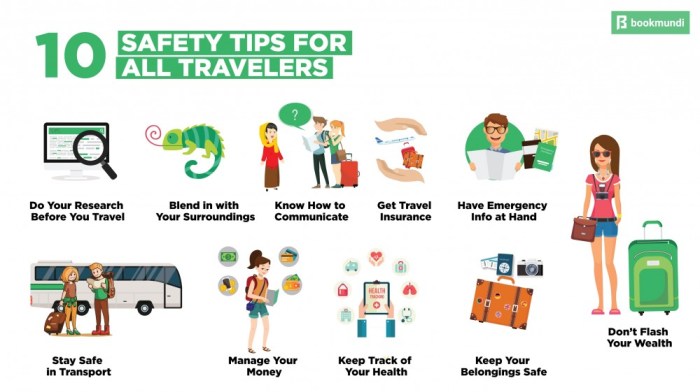
Planning a solo female trip requires careful consideration of potential risks, and travel insurance plays a crucial role in mitigating these. It provides a safety net, offering financial protection and peace of mind, allowing you to focus on enjoying your adventure. Understanding the different types of coverage and choosing the right policy is paramount.Travel insurance policies vary considerably in their scope and cost.
The level of coverage directly correlates with the premium paid. A comprehensive policy offers broader protection, while a more basic plan covers fewer eventualities. It’s vital to carefully assess your individual needs and potential risks before making a purchase.
Types of Travel Insurance Coverage
Travel insurance typically covers a range of situations, including medical emergencies, trip cancellations, lost luggage, and personal liability. Specific coverage options can vary significantly between providers, so it’s crucial to review the policy wording carefully. Common types of coverage include:
- Emergency Medical Expenses: This covers medical treatment, hospitalization, and emergency medical evacuation in case of illness or injury while traveling.
- Trip Cancellation/Interruption: This reimburses you for prepaid, non-refundable trip expenses if your trip is canceled or interrupted due to covered reasons such as illness, severe weather, or family emergencies.
- Baggage Loss/Delay: This covers the cost of replacing or repairing lost or damaged luggage, and may also provide compensation for delayed baggage.
- Personal Liability: This protects you against claims of accidental injury or damage to property caused by you to others.
- Travel Delay: This provides reimbursement for expenses incurred due to unexpected travel delays, such as missed connections or flight cancellations.
Importance for Solo Female Travelers
For solo female travelers, travel insurance offers an additional layer of protection. The inherent risks associated with solo travel, particularly for women, are amplified. Insurance can help mitigate financial burdens arising from unforeseen circumstances such as medical emergencies in unfamiliar locations, potential theft or assault, and unexpected trip disruptions. The peace of mind provided allows for a more enjoyable and less stressful travel experience.
Essential Information for Purchasing Travel Insurance
Before purchasing travel insurance, it’s vital to gather the necessary information. This ensures you obtain the appropriate level of coverage and avoid any misunderstandings. This information includes:
- Trip details: Dates of travel, destinations, and planned activities.
- Personal details: Full name, date of birth, address, and contact information.
- Pre-existing medical conditions: Disclosure of any pre-existing conditions is crucial to ensure appropriate coverage.
- Value of belongings: This is necessary for determining the appropriate level of baggage coverage.
- Trip cost: The total cost of your trip, including flights, accommodation, and activities.
Comparison of Travel Insurance Providers
Numerous travel insurance providers exist, each offering varying levels of coverage and benefits. A comparison of several providers, focusing on their strengths and weaknesses, is essential to making an informed decision. For example, some providers may offer better coverage for adventure activities, while others might specialize in medical emergencies. It’s advisable to compare quotes from multiple providers before selecting a policy.
Factors to consider include the breadth of coverage, the claims process, customer reviews, and the overall cost. Reading policy documents thoroughly is crucial before committing to a specific provider.
Urban Escapes for the Solo Female Traveler
Urban exploration offers a unique blend of adventure and cultural immersion, particularly appealing to solo female travelers seeking exciting and enriching experiences. Choosing the right city and implementing effective safety measures are crucial for a successful and enjoyable trip. This section provides guidance on selecting safe destinations, navigating urban environments, and discovering hidden cultural gems.
Safe Urban Destinations for Solo Female Travelers
Several cities worldwide are renowned for their safety and welcoming atmosphere towards solo female travelers. These destinations offer a balance of vibrant culture, convenient infrastructure, and relatively low crime rates, making them ideal choices for independent exploration. Consider factors like readily available public transportation, well-lit streets, and a strong police presence when making your selection.
- Amsterdam, Netherlands: Known for its canals, cycling culture, and progressive atmosphere, Amsterdam offers a generally safe and welcoming environment for solo travelers. The city’s efficient public transport system makes navigating easy.
- Kyoto, Japan: Kyoto boasts a rich history, beautiful temples, and a remarkably safe and respectful culture. While language may be a barrier, the helpfulness of locals and efficient public transport make it manageable.
- Vancouver, Canada: A blend of natural beauty and urban amenities, Vancouver is consistently ranked as one of the safest cities globally. Its walkable neighborhoods and extensive public transit system contribute to a comfortable solo travel experience.
- Copenhagen, Denmark: Copenhagen offers a blend of Scandinavian design, cycling paths, and a generally safe and welcoming atmosphere. The city’s compact size and excellent public transportation make it easy to navigate.
- San Sebastian, Spain: This coastal city in Spain is known for its stunning beaches, delicious food, and a generally safe and welcoming atmosphere. The city is relatively compact and easy to navigate on foot or by public transport.
Navigating Urban Environments Safely
Safe and efficient transportation and accommodation are paramount for a secure solo urban adventure. Prioritize well-lit and populated routes, especially at night. Utilize reputable ride-sharing apps or public transport, avoiding isolated areas or poorly-lit streets.
Accommodation choices should prioritize safety and convenience. Consider hotels in well-lit, central areas with 24-hour reception and security measures. Hostels can offer a social aspect, but choose those with secure facilities and good reviews. Always inform someone of your itinerary and check-in location.
Exploring Local Culture and Finding Hidden Gems
Immerse yourself in the local culture by engaging with local markets, attending community events, and taking guided walking tours. These activities offer opportunities to interact with locals and gain insights into the city’s unique character. Utilize local guides or apps that highlight less-visited areas and hidden gems, avoiding overly touristy traps. Take advantage of free walking tours to get your bearings and learn about the city’s history and culture.
Sample Itinerary: A Short Urban Escape (3 Days in Kyoto)
This itinerary prioritizes safety and cultural immersion, focusing on Kyoto’s well-connected areas.
Day 1: Arrive in Kyoto, check into your hotel near Kyoto Station (a central and well-lit area). Explore the Gion district (known for its geishas) during the day, taking advantage of the well-populated streets. Enjoy a traditional Kaiseki dinner in a reputable restaurant.
Day 2: Visit Fushimi Inari Shrine (early morning to avoid crowds), utilizing the JR Nara Line for transportation. Explore the Arashiyama Bamboo Grove in the afternoon, ensuring to return to your hotel before dark. Utilize a reputable taxi or ride-sharing service if needed.
Day 3: Visit Kiyomizu-dera Temple and explore the surrounding area. Enjoy a final traditional Japanese meal before departing from Kyoto Station. Always keep your belongings secure and be aware of your surroundings.
Vacation Packages and Programs
Choosing the right vacation package can significantly enhance your solo female travel experience, offering convenience, structure, and often, a sense of community. Packages range from budget-friendly group tours to luxurious, bespoke itineraries, each with its own set of advantages and disadvantages. Understanding these differences is crucial for selecting a program that aligns perfectly with your travel style and aspirations.Different types of vacation packages cater to diverse preferences and budgets.
Guided group tours, for instance, provide a structured itinerary with built-in transportation, accommodation, and often, planned activities. This eliminates much of the planning stress, fostering a sense of camaraderie among fellow travelers. However, they may lack flexibility and limit opportunities for spontaneous exploration. On the other hand, independent packages offer more freedom, allowing you to curate your own itinerary and choose your accommodations and activities.
This approach provides greater autonomy but requires more planning and research. Finally, bespoke or customized packages offer a high level of personalization, tailored to your specific interests and budget, but typically come with a higher price tag.
Types of Vacation Packages and Their Comparative Analysis
The following table compares three common types of vacation packages: guided group tours, independent packages, and bespoke packages. This comparison highlights the key differences in terms of cost, flexibility, and planning involved.
| Package Type | Cost | Flexibility | Planning Involved | Pros | Cons |
|---|---|---|---|---|---|
| Guided Group Tour | Generally Moderate to High | Low | Minimal | Structured itinerary, built-in community, less planning stress | Limited flexibility, potentially rushed pace, less opportunity for independent exploration |
| Independent Package | Variable, can be budget-friendly to expensive | High | Moderate to High | Greater freedom, customized itinerary, more opportunity for independent exploration | Requires more research and planning, potential for higher costs if not managed carefully |
| Bespoke Package | High | High | Minimal (handled by the operator) | Highly personalized itinerary, tailored to specific interests, luxurious accommodations and experiences often included | Significant cost, requires a higher level of trust in the tour operator |
Reputable Tour Operators Specializing in Solo Female Travel
Several reputable tour operators cater specifically to solo female travelers, offering safe and enriching experiences. These companies often incorporate safety measures, female-only groups, and itineraries designed to appeal to women’s interests. Thorough research is essential to ensure the operator aligns with your safety and travel preferences.
While specific recommendations require continuous updating due to market changes, a general approach would involve researching companies with positive reviews focusing on solo female travel, verifying their safety protocols, and checking for transparent pricing and cancellation policies.
Choosing a Vacation Package that Aligns with Your Interests and Budget
Selecting a package requires careful consideration of your interests, budget, and desired level of independence. Start by defining your travel style: do you prefer structured itineraries or independent exploration? Then, research destinations that align with your interests. Once you have a destination and travel style in mind, compare different packages offered by various operators, focusing on price, inclusions (accommodation, activities, transportation), and reviews from previous travelers.
Remember to factor in additional expenses like visas, travel insurance, and spending money.
Customizing a Vacation Package to Fit Your Specific Needs
Many tour operators offer customization options, allowing you to tailor your package to your specific interests and preferences. This might involve adding extra days, selecting different activities, upgrading your accommodation, or choosing alternative transportation. Clearly communicate your needs and preferences to the tour operator during the booking process. Be prepared to pay extra for customizations, but the ability to personalize your trip can significantly enhance your experience.
Venture Capital (Tangential – Focus on female entrepreneurs in travel)
Venture capital plays a crucial, albeit often overlooked, role in empowering women to build and scale successful businesses within the dynamic travel industry. While the travel sector is brimming with innovative ideas, securing funding can be a significant hurdle for female entrepreneurs. This section explores the impact of venture capital on women-owned travel businesses, highlighting both successes and challenges.The influx of venture capital into women-led travel startups can be transformative.
It provides the necessary financial resources to fuel growth, allowing entrepreneurs to expand their operations, develop new technologies, and enhance their marketing efforts. This ultimately leads to job creation and a more diverse and inclusive travel landscape.
Successful Female Entrepreneurs in the Travel Industry and Their Innovations
Several female entrepreneurs have successfully leveraged venture capital to disrupt the travel industry. For instance, consider [Hypothetical Example 1: Name of Founder and Company], who secured significant funding to develop a sustainable tourism platform connecting travelers with eco-conscious accommodations and experiences. Their innovative approach, fueled by venture capital, resulted in rapid expansion and a significant market share.
Another example could be [Hypothetical Example 2: Name of Founder and Company], whose app uses AI to personalize travel itineraries, attracting substantial investment based on its potential to revolutionize trip planning. This demonstrates how venture capital can support the development and scaling of truly disruptive technologies within the travel space.
Examples of How Venture Capital Helps Female Travel Entrepreneurs Scale Their Businesses
Venture capital funding provides more than just money; it offers access to mentorship, networks, and strategic guidance. This support is invaluable for navigating the complexities of business growth. For example, a travel startup specializing in adventure tourism for women might use venture capital to expand its operations into new markets, invest in advanced safety technology, or develop targeted marketing campaigns.
The funding allows for strategic acquisitions, expansion of team expertise, and investment in technology that improves customer experience and operational efficiency. Ultimately, this leads to increased revenue, brand recognition, and a stronger market position.
Challenges Faced by Women Seeking Venture Capital in the Travel Sector
Despite the potential for growth, women in the travel industry often face significant challenges in securing venture capital. These include unconscious bias in investment decisions, a lack of female representation in venture capital firms, and the perception that travel businesses are inherently high-risk. Additionally, many female entrepreneurs struggle to balance the demands of running a business with other personal commitments, potentially limiting their time and resources for securing funding.
The underrepresentation of women in leadership positions within the travel industry also contributes to a lack of role models and mentors for aspiring female entrepreneurs seeking funding. Addressing these challenges requires a concerted effort from both investors and the industry as a whole.
Solo female travel offers unparalleled opportunities for self-discovery and adventure. By implementing the safety strategies and embracing the tips Artikeld in this guide, you can confidently navigate your journey, creating memories that will last a lifetime. Remember, preparation and awareness are your greatest allies, allowing you to fully immerse yourself in the unique experiences and personal growth that solo travel provides.
So, pack your bags, embrace the unknown, and embark on your incredible solo adventure!
FAQ Overview
What’s the best way to share my itinerary with loved ones while maintaining privacy?
Use a location-sharing app that allows you to selectively share your location with trusted contacts, or provide them with a general itinerary without revealing precise details of your daily movements.
How can I avoid looking like a tourist and becoming a target?
Blend in by observing local customs, dressing modestly, and avoiding ostentatious displays of wealth or expensive electronics. Be mindful of your surroundings and try to appear confident and aware.
What should I do if I experience harassment while traveling?
Remain calm, remove yourself from the situation as quickly and safely as possible, and report the incident to local authorities or your accommodation if appropriate. Document the incident with photos or notes if you feel safe doing so.
Are there any specific health considerations for women traveling alone?
Consult your doctor about necessary vaccinations and medications. Pack a well-stocked first-aid kit including any personal medications. Stay hydrated and eat nutritious food to maintain your health and energy levels.