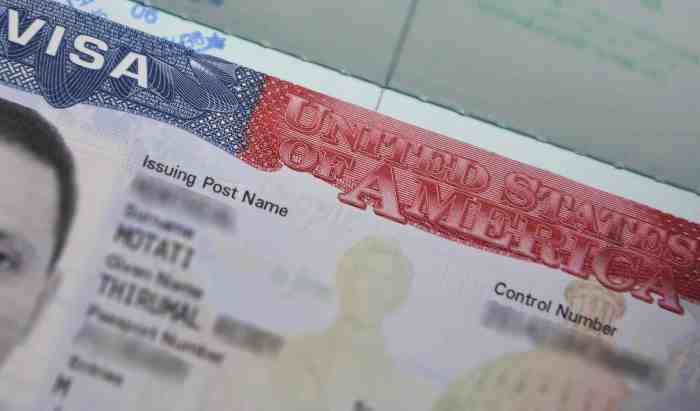
Dreaming of exploring the vibrant landscapes and iconic cities of the United States? Securing a tourist visa is the first step towards realizing that dream. This comprehensive guide navigates you through the application process, from understanding the requirements to preparing for your visa interview. We’ll demystify the complexities, offering practical advice and insightful tips to increase your chances of approval.
Let’s embark on this journey together, ensuring a smooth and successful application.
This guide covers everything from completing the DS-160 form and scheduling your interview to understanding common reasons for visa denial and how to avoid them. We’ll also provide valuable travel hacks, insurance recommendations, and photography tips to make your US adventure truly unforgettable. Preparing for your trip will be efficient and less stressful with the help of this detailed roadmap.
Common Reasons for Visa Denial and How to Avoid Them
Securing a US tourist visa requires careful preparation and a thorough understanding of the application process. A common misconception is that simply possessing sufficient funds guarantees approval. In reality, visa officers assess numerous factors to determine the applicant’s likelihood of returning home after their visit. Understanding the common reasons for denial and implementing preventative strategies significantly improves the chances of a successful application.
Lack of Strong Ties to Home Country
Applicants must convincingly demonstrate strong ties to their home country that will compel them to return after their trip. This is arguably the most crucial aspect of the visa application. Simply stating that you have a home and family is insufficient; you must provide concrete evidence. Weak ties suggest a higher risk of the applicant remaining in the United States illegally.
This could include employment, property ownership, family commitments, significant financial investments, or ongoing education. The more substantial and verifiable the evidence, the stronger the applicant’s case.
Insufficient Evidence of a Credible Travel Plan
A vague or poorly planned itinerary raises red flags. The visa officer needs to be convinced that the applicant has a clear purpose for their visit and a well-defined plan. This requires detailed information about the planned activities, accommodation reservations, flight itineraries, and a reasonable explanation of the trip’s purpose and duration. A generic itinerary with only a few broad strokes will not suffice.
Lack of Financial Resources
While having sufficient funds is essential, merely stating the amount in a bank account isn’t enough. Applicants should provide evidence such as bank statements showing consistent funds over a period of time, proof of employment with salary details, or sponsorship letters from family or friends, if applicable. This demonstrates financial stability and the ability to cover all expenses during the stay in the United States without resorting to illegal activities.
Simply having enough money for the trip is not sufficient; the officer needs to see a history of financial stability.
Previous Visa Violations or Immigration Issues
Any past history of visa violations, immigration issues, or illegal activities significantly impacts the chances of approval. Even minor infractions can lead to denial. Applicants should be completely transparent about any past issues and thoroughly explain the circumstances. Attempting to conceal information will almost certainly result in rejection.
Providing Inconsistent or False Information
Providing inaccurate or contradictory information is a surefire way to get your application denied. The entire application process requires honesty and accuracy. Inconsistencies between documents or statements made during the interview can lead to immediate rejection. Double-check all information for accuracy and ensure consistency across all submitted documents.
Examples of Compelling Evidence
To strengthen the application, applicants should provide compelling evidence, such as: a detailed itinerary with flight and hotel confirmations; bank statements demonstrating sufficient funds; employment verification letters; property ownership documents; family photos; letters of invitation from friends or family in the US; and enrollment certificates for educational programs (if applicable). The more thorough and comprehensive the evidence, the better the chances of approval.
For example, a letter from an employer stating the applicant’s position, salary, and expected return date provides significant weight. Similarly, a detailed itinerary including planned activities, accommodation bookings, and transportation plans demonstrates a well-defined travel plan.
Travel Hacks for US Tourists
Planning a trip to the United States can be exciting, but also potentially expensive. This section offers practical tips to help you navigate your journey efficiently and affordably, maximizing your experience while minimizing your expenses. We’ll cover strategies for saving money on travel, navigating airports, avoiding tourist traps, packing smart, and utilizing public transportation.
Saving Money on Flights and Accommodation
Finding affordable flights and accommodation is crucial for a budget-friendly US trip. Consider booking flights and accommodations well in advance, especially during peak seasons, to secure better deals. Utilize flight comparison websites to compare prices across different airlines and travel agencies. For accommodation, explore options beyond hotels, such as Airbnb, hostels, or vacation rentals, which can offer significant cost savings.
Consider traveling during the shoulder seasons (spring and fall) for lower prices and fewer crowds. Be flexible with your travel dates; mid-week flights and stays are often cheaper than weekend options. Consider budget airlines, but carefully review baggage fees and other potential extra charges. Lastly, utilize loyalty programs and credit card rewards to earn points or miles that can be redeemed for flights or hotel stays.
Efficient Airport Navigation
Navigating large US airports can be overwhelming. Pre-check-in online to save time at the airport and avoid long queues. Familiarize yourself with the airport layout and gate locations before arriving. Download the airport’s mobile app for real-time updates on flight status, gate changes, and security wait times. Pack efficiently to expedite the security screening process.
Keep essential documents readily accessible for quicker processing. Utilize airport transportation services like airport shuttles or trains for efficient and cost-effective travel to and from your accommodation. Remember to allow ample time for security checks and potential delays.
Avoiding Common Tourist Traps
Many tourist destinations in the US are susceptible to inflated prices and less-than-authentic experiences. Research popular attractions and read reviews to identify potential tourist traps. Consider visiting less-popular attractions or exploring local neighborhoods for more authentic experiences. Avoid pre-booked tours that are significantly more expensive than independently exploring a location. Be wary of unsolicited offers and street vendors who may overcharge or sell subpar products.
Look for local recommendations and reviews to find reputable businesses and avoid tourist traps. Compare prices before purchasing souvenirs or engaging in activities.
Optimized Packing List for a US Trip
Packing strategically is essential for a smooth and enjoyable trip. Create a packing list based on your itinerary, climate, and planned activities. Prioritize versatile clothing items that can be mixed and matched. Pack lightweight and quick-drying clothing to save space and weight. Utilize packing cubes to organize your belongings and maximize space in your luggage.
Remember essential toiletries, medications, and any necessary electronic chargers. Check the weather forecast before you leave and pack accordingly. Leave space for souvenirs in your luggage.
Using Public Transportation in Major US Cities
Major US cities offer extensive public transportation networks. Purchase a multi-day pass or reloadable transit card for cost-effective travel. Download a transit app (like Citymapper or Google Maps) to plan your routes and check real-time schedules. Familiarize yourself with the different transit options available (subway, bus, light rail, etc.). Be mindful of peak hours and plan your travel accordingly to avoid overcrowding.
Consider using ride-sharing services as a supplement to public transportation, especially for longer distances or late-night travel. Check for any potential transit strikes or service disruptions before you travel.
Travel Insurance for US Trips
Planning a trip to the United States can be exciting, but unforeseen circumstances can quickly turn a dream vacation into a financial nightmare. Comprehensive travel insurance offers a crucial safety net, protecting you from unexpected events and allowing you to focus on enjoying your trip. Choosing the right policy depends on your individual needs and the type of trip you’re planning.
Types of Travel Insurance Policies
Travel insurance policies vary widely in coverage. Generally, they fall into several categories: basic, standard, and comprehensive. Basic policies typically cover trip cancellations or interruptions due to specific, limited reasons. Standard policies expand coverage to include lost luggage and emergency medical expenses, though often with limitations. Comprehensive policies offer the broadest protection, encompassing a wider range of scenarios, from trip cancellations and medical emergencies to lost belongings, flight delays, and even legal assistance.
The level of coverage directly impacts the premium cost; higher coverage equates to a higher premium.
Benefits of Comprehensive Travel Insurance
Comprehensive travel insurance offers peace of mind by providing extensive protection against a wide array of potential problems. Beyond covering medical emergencies and trip cancellations, comprehensive plans often include coverage for lost or stolen baggage, flight delays, and even emergency evacuation. This broader protection ensures that unexpected events don’t derail your trip or lead to significant financial losses. For example, if you experience a medical emergency requiring hospitalization, comprehensive insurance would cover the costs of treatment, transportation, and even repatriation.
Medical Emergency Coverage
Medical emergencies are a significant concern when traveling internationally, particularly in a country like the United States where medical costs can be exceptionally high. Comprehensive travel insurance policies typically include coverage for medical expenses incurred due to illness or injury during your trip. This coverage can include hospitalization, surgery, doctor visits, medication, and even emergency medical evacuation. The policy details will specify the extent of coverage, such as maximum payout amounts and pre-existing condition exclusions.
It’s vital to review these details carefully before purchasing a policy.
Situations Where Travel Insurance is Crucial
Several situations highlight the importance of travel insurance. For instance, imagine needing emergency medical treatment in the US. The cost of even a simple procedure can quickly reach tens of thousands of dollars. Travel insurance can mitigate this financial burden. Similarly, if your flight is canceled or significantly delayed, leading to missed connections or additional accommodation costs, travel insurance can reimburse you for these unexpected expenses.
If your luggage is lost or stolen, it can cover the replacement cost of essential items. Finally, if you need to cut your trip short due to a family emergency or unforeseen circumstances, travel insurance can help recoup the cost of unused portions of your trip.
Comparison of Travel Insurance Providers
Choosing the right provider can be challenging. The following table compares features of several hypothetical providers (actual provider offerings and terms will vary). It’s crucial to compare policies from multiple providers to find the best fit for your needs and budget.
| Provider | Medical Coverage | Trip Cancellation | Baggage Loss |
|---|---|---|---|
| TravelSafe | $1,000,000 | 100% of prepaid, non-refundable expenses | $2,000 |
| WorldWideCover | $500,000 | 80% of prepaid, non-refundable expenses | $1,500 |
| GlobalTravelAssist | $250,000 | 50% of prepaid, non-refundable expenses | $1,000 |
| SecureTrips | $1,500,000 | 100% of prepaid, non-refundable expenses | $2,500 |
Travel Photography in the United States
The United States offers an unparalleled diversity of landscapes and iconic locations, providing a photographer’s dream canvas. From the bustling streets of New York City to the serene beauty of Yosemite National Park, capturing stunning images requires understanding both the location and the techniques to best showcase its unique character. This section explores tips and techniques to elevate your travel photography in the US.
Capturing Stunning Travel Photos in Iconic US Locations
Successfully photographing iconic US locations involves more than just pointing your camera. Consider the time of day – golden hour (sunrise and sunset) often provides the most flattering light, casting long shadows and creating a warm, inviting atmosphere. Think about composition; utilize the rule of thirds, placing your subject off-center to create a more visually appealing image. For instance, photographing the Grand Canyon at sunset, with the sun setting behind a prominent rock formation, creates a dramatic and memorable image.
Similarly, capturing the Empire State Building at dusk, with the city lights twinkling below, offers a vibrant and dynamic composition. Experiment with different perspectives; get down low to the ground for a unique viewpoint, or climb to a higher vantage point for a sweeping panorama.
Utilizing Different Photography Techniques in Diverse Settings
The United States boasts a vast range of environments, demanding adaptability in your photography approach. In bustling cities like New York or Chicago, a fast shutter speed is crucial to freeze the motion of people and traffic. A wide aperture (low f-stop number) can help isolate your subject and blur the background, creating a sense of depth. In contrast, photographing landscapes like the vast plains of Montana or the redwood forests of California might benefit from a slower shutter speed to capture the movement of clouds or water, creating a sense of serenity.
Consider using a tripod for sharper images, especially in low-light conditions. Mastering different shooting modes on your camera (aperture priority, shutter priority, manual) will allow you to fine-tune your settings for optimal results in various situations.
Photography Itinerary Focusing on Specific US Landmarks
A well-planned itinerary maximizes your photographic opportunities. A potential seven-day itinerary could include: Day 1-2: New York City (Times Square at night, Central Park at dawn, iconic bridges); Day 3-4: Yosemite National Park (El Capitan, Half Dome, Yosemite Valley at sunset); Day 5: Las Vegas (Strip at night, unique architectural details); Day 6: Grand Canyon National Park (sunrise/sunset views, diverse viewpoints); Day 7: San Francisco (Golden Gate Bridge, Alcatraz Island).
This itinerary focuses on diverse locations and iconic landmarks, offering a range of photographic challenges and opportunities.
Post-Processing Techniques for Enhancing Travel Photos
Post-processing can significantly enhance your images. Software like Adobe Lightroom and Photoshop allow for adjustments to brightness, contrast, saturation, and sharpness. Careful cropping can improve composition and eliminate distracting elements. Consider using tools to reduce noise in low-light photos and to correct white balance for accurate colors. However, remember that subtle adjustments are often better than drastic changes; the goal is to enhance the image, not to create an artificial look.
Learning basic color grading techniques can significantly improve the mood and overall aesthetic appeal of your photographs.
Essential Photography Equipment for a US Trip
A well-equipped photographer is prepared for any situation. Essential equipment includes: a high-quality DSLR or mirrorless camera, a wide-angle lens (for landscapes and cityscapes), a telephoto lens (for wildlife and distant subjects), extra batteries, memory cards, a sturdy tripod, a cleaning kit, and a portable hard drive for backing up your images. Consider investing in a polarizing filter to reduce glare and enhance color saturation, and a neutral density filter to allow for slower shutter speeds in bright conditions.
Remember to pack appropriate carrying cases to protect your equipment.
Travel Tips for a Smooth US Vacation
Planning a trip to the United States can be exciting, but ensuring a smooth and enjoyable vacation requires careful preparation and awareness. This section provides practical tips to help you navigate various aspects of your US trip, from safety and health to cultural nuances and effective communication. Following these guidelines will significantly enhance your overall travel experience.
Staying Safe and Healthy During a US Trip
Maintaining your safety and well-being is paramount during your travels. Before departure, consult your doctor about necessary vaccinations and recommended health precautions for your specific itinerary. Pack a comprehensive first-aid kit containing essential medications and supplies. In the US, emergency services are readily available by dialing 911. Be mindful of your surroundings, particularly in crowded areas, and avoid displaying expensive jewelry or large amounts of cash.
Familiarize yourself with local laws and regulations to avoid unintentional infractions. Register your trip with your embassy or consulate for added security and assistance in case of emergencies.
Navigating Cultural Differences in the US
The United States is a diverse nation with a rich tapestry of cultures and customs. While Americans are generally welcoming and friendly, understanding some cultural nuances can prevent misunderstandings. Direct eye contact is generally considered a sign of honesty and engagement, but prolonged staring might be perceived as rude. Personal space is valued, so avoid standing too close to strangers.
Being punctual is appreciated, particularly for business meetings or appointments. It’s also important to be aware of regional variations in customs and dialects; what might be acceptable in one region may differ in another.
Communicating Effectively in the US
Effective communication is key to a pleasant travel experience. While English is the primary language, regional accents and dialects can sometimes pose challenges. Speaking clearly and slowly can significantly improve understanding. Utilizing translation apps or phrasebooks can be helpful, especially in situations where English proficiency is limited. Learning a few basic phrases in Spanish can be particularly useful in areas with significant Hispanic populations.
Remember to be polite and respectful in your interactions, and don’t hesitate to ask for clarification if you don’t understand something.
Essential Phrases to Learn Before Visiting the US
Learning a few basic English phrases can greatly enhance your interactions with locals. Here are some essential phrases to consider:
- Hello
- Thank you
- Excuse me
- Please
- Yes/No
- I don’t understand
- Where is the…? (bathroom, train station, etc.)
- How much does this cost?
- Can I pay with a credit card?
- Help!
Knowing these simple phrases will demonstrate your effort to communicate and will often be met with kindness and patience.
Understanding US Tipping Customs
Tipping is a customary practice in the United States, particularly in the service industry. It is considered a way to show appreciation for good service. While percentages may vary slightly depending on the service, here’s a general guideline:
| Service | Tip Percentage |
|---|---|
| Restaurants | 15-20% of the pre-tax bill |
| Taxi/Ride-sharing services | 15-20% of the fare |
| Hotel bellhops | $1-2 per bag |
| Hair stylists/barbers | 15-20% of the service cost |
It’s crucial to remember that tipping is not mandatory, but it’s highly encouraged for good service. In some establishments, a gratuity might already be included in the bill; however, it is always best to check. Always carry small bills and change for easier tipping.
Urban Escapes in the United States
The United States boasts a diverse range of vibrant cities, each offering a unique blend of culture, history, and modern attractions. From bustling metropolises to charming smaller urban centers, exploring these urban landscapes provides a captivating experience for any traveler. This section highlights some of the most exciting urban destinations, offering insights into unique experiences, itinerary suggestions, accommodation and dining recommendations, and public transportation tips.
New York City: A Cosmopolitan Experience
New York City, a global icon, offers an unparalleled urban experience. Its iconic skyline, diverse neighborhoods, and world-class cultural institutions draw millions annually. Exploring Manhattan’s iconic landmarks like Times Square and Central Park is a must, but venturing into Brooklyn’s trendy neighborhoods or the artistic haven of Greenwich Village reveals the city’s multifaceted character.
Exploring New York City: A Sample Itinerary
A three-day itinerary could include: Day 1 – Exploring Midtown (Times Square, Rockefeller Center, a Broadway show); Day 2 – Downtown exploration (Statue of Liberty, Wall Street, 9/11 Memorial & Museum); Day 3 – Brooklyn Bridge walk, exploring a Brooklyn neighborhood (e.g., Williamsburg), and enjoying diverse culinary options.
Accommodation and Dining in New York City
New York offers a wide range of accommodation, from budget-friendly hostels to luxurious hotels. Dining options are equally diverse, ranging from street food vendors to Michelin-starred restaurants, catering to all tastes and budgets. Consider exploring different neighborhoods for unique culinary experiences.
Navigating Public Transportation in New York City
The New York City subway is an efficient and extensive system, making it easy to navigate the city. Purchasing a 7-day unlimited MetroCard is cost-effective for frequent travelers. Familiarizing oneself with the subway map before arrival is highly recommended.
Chicago: A Midwestern Gem
Chicago, situated on the shores of Lake Michigan, blends architectural marvels with a vibrant cultural scene. Its iconic skyscrapers, including the Willis Tower and the Tribune Tower, offer breathtaking views. Exploring Millennium Park, home to Cloud Gate (“The Bean”), and Navy Pier provides a taste of the city’s public spaces. The city’s rich blues music history and diverse culinary offerings, particularly deep-dish pizza, are significant draws.
Exploring Chicago: A Sample Itinerary
A two-day itinerary might include: Day 1 – Architectural boat tour, exploring Millennium Park, and enjoying dinner in the River North neighborhood; Day 2 – Visiting the Art Institute of Chicago, exploring Navy Pier, and experiencing a blues music performance.
Accommodation and Dining in Chicago
Chicago boasts a wide variety of accommodation options, ranging from boutique hotels to large chain hotels. The city’s culinary scene is diverse, with renowned restaurants and numerous options for casual dining. Deep-dish pizza is a must-try, along with Chicago-style hot dogs.
Navigating Public Transportation in Chicago
Chicago’s “L” train system, an elevated train network, is a convenient and efficient way to get around. Purchasing a Ventra card allows for easy payment on the “L” train and buses.
San Francisco: A West Coast Icon
San Francisco, a city of hills and iconic landmarks, offers stunning views and a vibrant cultural scene. Riding a cable car, visiting the Golden Gate Bridge, and exploring Fisherman’s Wharf are quintessential San Francisco experiences. Exploring diverse neighborhoods like Chinatown and North Beach reveals the city’s multicultural heritage.
Exploring San Francisco: A Sample Itinerary
A three-day itinerary could include: Day 1 – Golden Gate Bridge visit, Alcatraz Island tour; Day 2 – Exploring Fisherman’s Wharf, riding a cable car, and visiting Lombard Street; Day 3 – Exploring Chinatown, North Beach, and enjoying the city’s diverse culinary scene.
Accommodation and Dining in San Francisco
San Francisco offers a wide range of accommodation, from budget-friendly hostels to luxury hotels. The city’s culinary scene is known for its diverse options, including fresh seafood and innovative cuisine.
Navigating Public Transportation in San Francisco
San Francisco’s public transportation system, including buses, streetcars, and BART (Bay Area Rapid Transit), offers convenient access to various parts of the city. A Muni Passport allows unlimited rides on Muni buses, streetcars, and cable cars.
Vacation Packages and Programs in the United States
Planning a trip to the United States can be overwhelming, given the sheer variety of attractions and experiences available. Fortunately, numerous vacation packages and customized programs cater to diverse travel styles and budgets, simplifying the planning process and often offering cost savings. This section explores different types of US vacation packages, their advantages and disadvantages, and provides guidance on selecting the perfect fit for your needs.
Types of US Vacation Packages
The US vacation market offers a wide range of pre-packaged options. These typically bundle together flights, accommodation, and sometimes activities or tours. Common types include all-inclusive resorts, theme park packages, city break packages, and national park tours. All-inclusive resorts offer complete packages with meals, drinks, and activities included in the price. Theme park packages often include park tickets and hotel stays near major attractions like Disney World or Universal Studios.
City break packages focus on exploring specific urban destinations, while national park tours offer guided explorations of America’s natural wonders.
Benefits and Drawbacks of Pre-packaged Vacations
Pre-packaged vacations offer several advantages, primarily convenience and often cost-effectiveness. Booking flights, hotels, and activities individually can be time-consuming and may result in higher overall costs. Packages often provide discounts and streamlined booking processes. However, pre-packaged vacations can lack flexibility. Changes to itineraries can be difficult and expensive, and the pre-determined activities may not perfectly align with individual preferences.
The level of included services can also vary significantly between packages, so careful review of the details is crucial.
Examples of Customized Vacation Programs
While pre-packaged vacations offer convenience, many travelers prefer customized programs to tailor their trips to specific interests. For example, a photography enthusiast might design a program focusing on iconic US locations known for their scenic beauty, incorporating workshops or guided tours. A history buff could create a program centered around historical sites and museums, potentially including private guided tours and access to exclusive exhibits.
A foodie might plan a culinary journey across different regions, including cooking classes and visits to local farmers’ markets. These customized programs, often arranged through travel agents or independent planners, allow for greater control and personalization but generally require more planning and potentially higher costs.
Guide for Choosing the Right Vacation Package
Selecting the appropriate vacation package requires careful consideration of several factors. First, define your travel style and budget. Are you seeking a luxurious all-inclusive experience, a budget-friendly adventure, or something in between? Next, determine your travel companions and their interests. A family vacation will have different needs than a romantic getaway or a solo adventure.
Finally, research various packages from reputable providers, comparing prices, included services, and customer reviews. Reading reviews can provide valuable insights into the actual experiences of other travelers. Remember to check cancellation policies and travel insurance options.
Comparison Table of Various Vacation Packages
| Package Type | Typical Duration | Price Range (USD) | Key Features |
|---|---|---|---|
| All-Inclusive Resort (Florida) | 7 days | $1500 – $5000 per person | Accommodation, meals, drinks, activities |
| Theme Park Package (Orlando) | 5 days | $1000 – $3000 per person | Park tickets, hotel near parks, transportation |
| City Break (New York City) | 4 days | $800 – $2500 per person | Hotel, sightseeing tours, potential Broadway tickets |
| National Park Tour (Yellowstone) | 10 days | $2000 – $6000 per person | Guided tours, accommodation in park lodges or nearby towns, transportation |
Venture Capital and Tourism (Tangential, for broader context)
Venture capital plays a significant, albeit often unseen, role in shaping the tourism industry. By providing crucial funding to innovative startups and established companies, venture capitalists fuel growth, technological advancements, and ultimately, enhance the overall travel experience for consumers. This injection of capital isn’t just about profits; it’s about fostering a more efficient, sustainable, and enjoyable tourism sector.The tourism industry, traditionally reliant on established models, is undergoing a rapid transformation fueled by technological innovation.
Venture capital is a key catalyst in this evolution, enabling the development and scaling of disruptive technologies and business models. This investment not only drives economic growth within the sector but also enhances the experiences of travelers worldwide.
Examples of Venture-Funded Travel Companies
Several prominent travel companies have benefited from venture capital investment, demonstrating its impact on industry growth. These investments have allowed these companies to expand their operations, develop new technologies, and improve their services, ultimately benefiting both the companies and their customers. For instance, Airbnb, a platform revolutionizing accommodation, received significant venture funding that propelled its global expansion and established it as a major player in the hospitality sector.
Another example is Expedia, an online travel agency, which has received various rounds of funding throughout its history, allowing it to develop its technology and expand its service offerings. These are just two examples of the many companies that have benefited from venture capital.
Impact of Venture Capital on Innovation in Travel
Venture capital’s influence on innovation within the travel industry is profound. It enables the development and implementation of cutting-edge technologies that improve various aspects of the travel experience. This ranges from personalized travel planning tools and advanced booking systems to innovative solutions for sustainable tourism and improved accessibility for travelers with disabilities. The funding allows companies to invest in research and development, pushing the boundaries of what’s possible in travel technology.
Venture Capital Driving Growth in Tourism-Related Technologies
The infusion of venture capital has significantly accelerated the growth of several tourism-related technologies. For example, the development of sophisticated travel planning apps, utilizing AI and machine learning, has been greatly assisted by venture funding. These apps offer personalized recommendations, optimize itineraries, and provide real-time information, enhancing the overall traveler experience. Similarly, advancements in sustainable tourism practices, such as carbon offsetting platforms and eco-friendly accommodation booking systems, are being fueled by venture capital, contributing to a more environmentally conscious travel industry.
The investment allows for scaling these solutions and making them more accessible to a wider range of travelers and businesses.
Obtaining a US tourist visa might seem daunting, but with careful planning and preparation, the process can be manageable. By following the steps Artikeld in this guide, understanding the requirements, and demonstrating strong ties to your home country, you significantly increase your chances of a successful application. Remember, thorough preparation is key to a smooth and enjoyable trip to the United States.
So, pack your bags (metaphorically, for now!), and let the adventure begin!
FAQ Compilation
What is the validity period of a US tourist visa?
The validity period varies depending on the visa issuing officer’s decision, but it’s typically up to 10 years. However, the permitted stay during each visit is determined by the immigration officer upon entry.
Can I apply for a US tourist visa from any country?
No. You must apply at the US embassy or consulate in your country of residence or where you have legal residency.
What happens if my visa application is denied?
If denied, you’ll receive a notification explaining the reason. You can reapply after addressing the concerns raised, but it’s advisable to wait a reasonable period before reapplying.
How long does the visa processing take?
Processing times vary significantly depending on the embassy/consulate and the volume of applications. It’s best to check the specific processing times on the embassy’s website.